Gender disparities in healthcare access are a pressing concern, with far-reaching implications for individuals, communities, and societies as a whole. As we delve into the demographic data, it becomes clear that a shift in perspective is long overdue.
Unequal Access: A Demographic Reality
The statistics are stark: women, racial and ethnic minorities, and individuals with lower socioeconomic status are disproportionately affected by limited access to healthcare. This is not a new phenomenon, but rather a persistent and pernicious issue that requires immediate attention.

In the United States, for instance, Hispanic, Black, and Asian American adults are more likely to report fair or poor health, according to recent data. This is a stark reminder that healthcare disparities are not limited to geographical or socioeconomic factors, but are also deeply rooted in demographic and social constructs.
A Tale of Two Worlds: Healthcare Disparities in the US
The data paints a disturbing picture: while some communities have access to quality healthcare, others are left to navigate a complex and often hostile system. This is not a matter of individual choice or circumstance, but rather a reflection of systemic and structural inequalities.
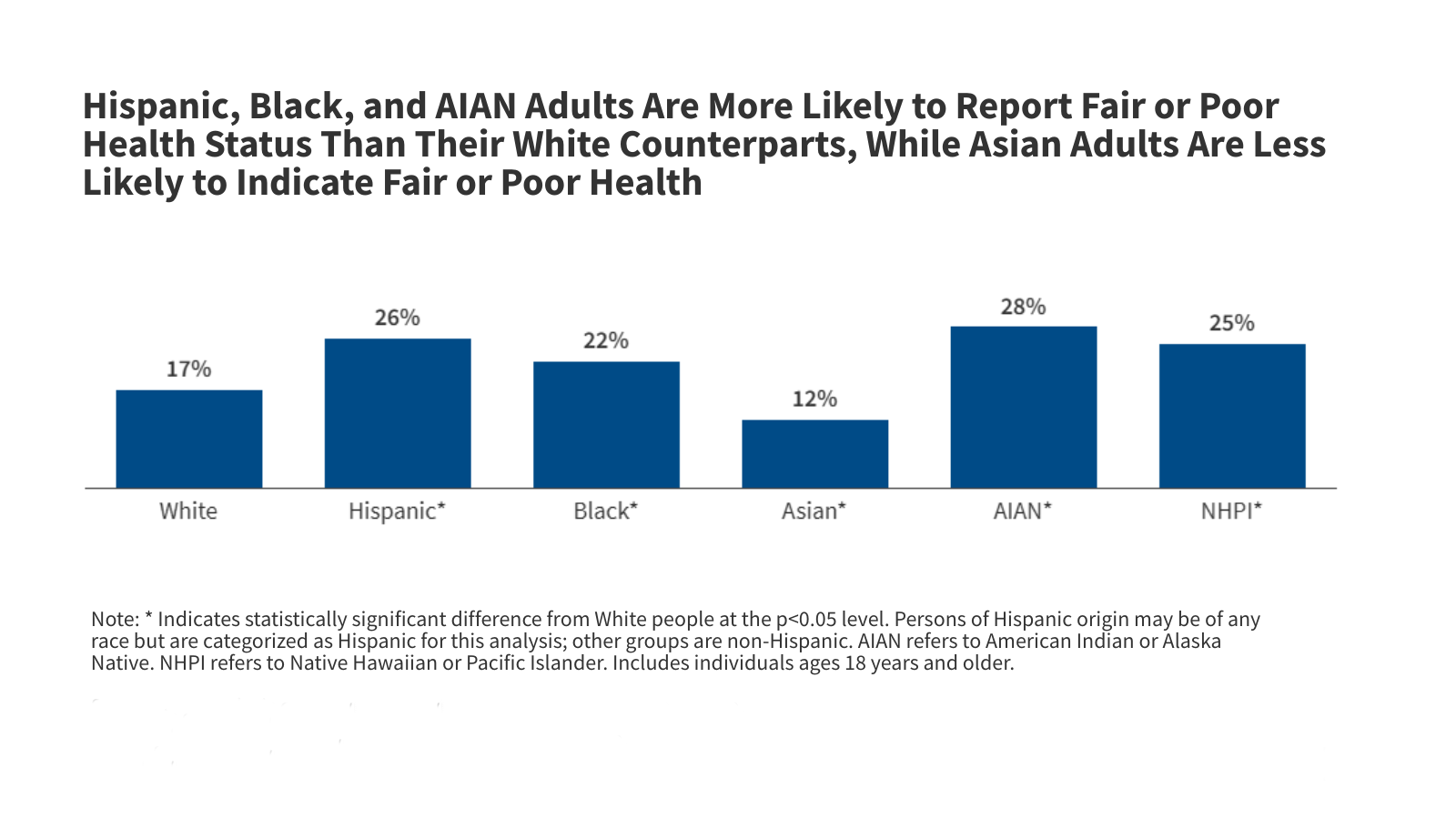
The consequences of these disparities are far-reaching and devastating. Limited access to healthcare can lead to delayed diagnoses, poor health outcomes, and even premature mortality. It is imperative that we acknowledge the gravity of this issue and work towards a more equitable and just healthcare system.
Breaking the Cycle: A Call to Action
The time for change is now. We must recognize that healthcare disparities are not solely the result of individual circumstances, but rather a complex interplay of demographic, socioeconomic, and structural factors. By acknowledging this reality, we can begin to dismantle the systems and policies that perpetuate these disparities.

As we move forward, it is crucial that we prioritize a nuanced understanding of the demographic data. By doing so, we can develop targeted interventions and policies that address the unique needs of diverse populations. The future of healthcare depends on it.
In conclusion, gender disparities in healthcare access are a pressing concern that demands immediate attention. By acknowledging the demographic data and working towards a more equitable and just healthcare system, we can create a brighter future for all.