Demographic Data on Race and Maternal Mortality: A Shift in Perspective
=====================================================
The statistics are stark: maternal mortality rates have increased during the first year of the COVID-19 pandemic. But what’s behind these alarming numbers? A closer look at the data reveals a complex web of factors, with one key variable standing out: race.
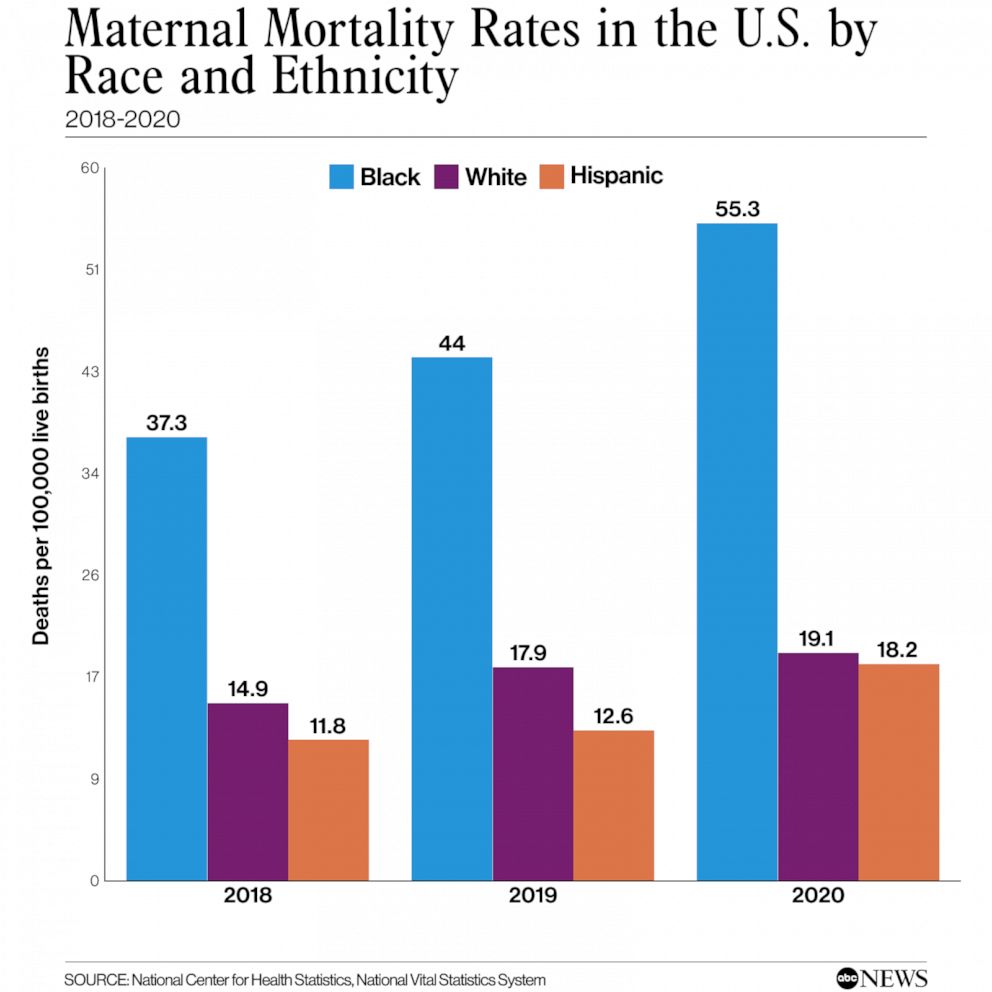
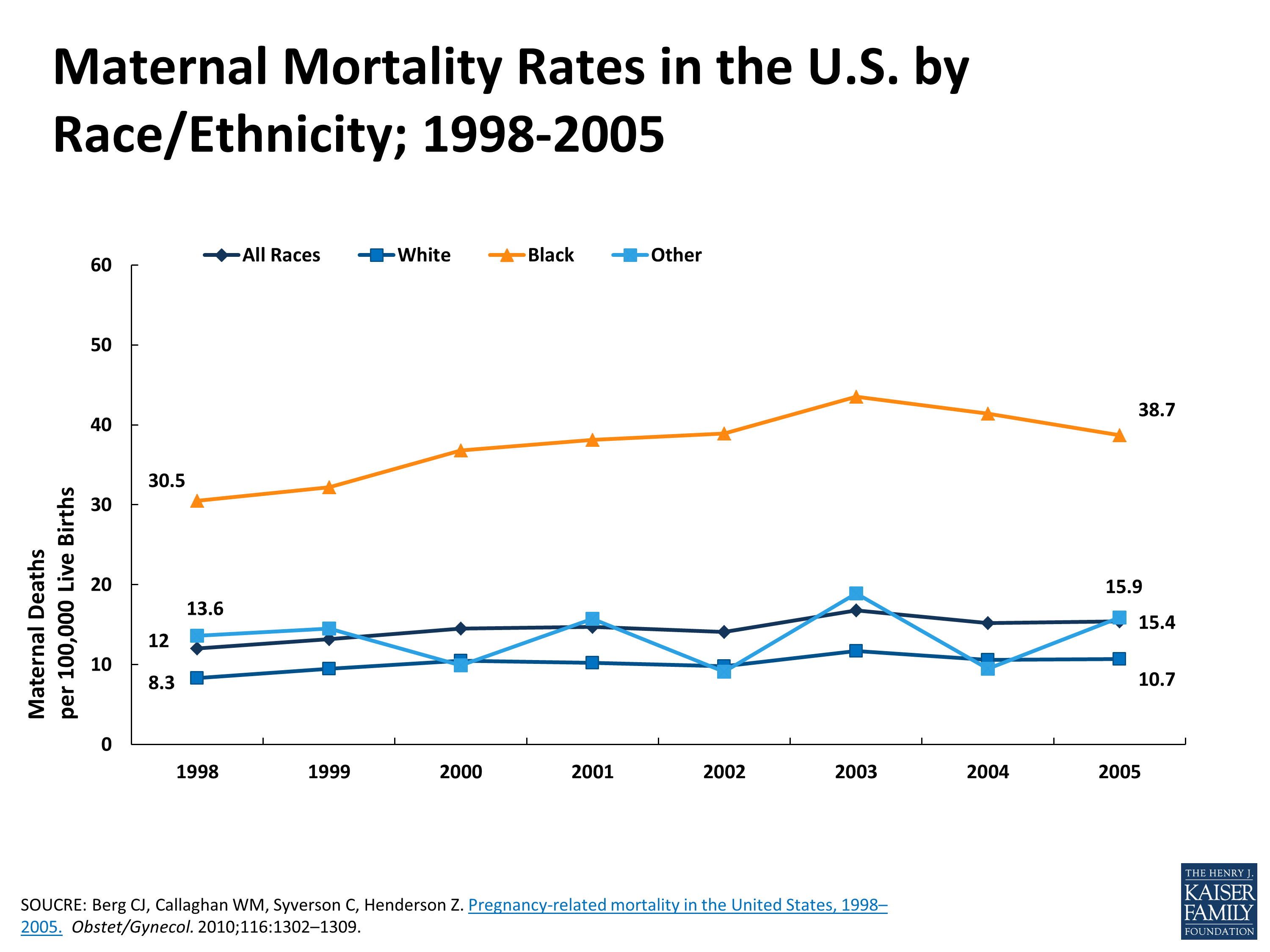
According to the data, maternal mortality rates have been rising steadily over the past few decades, with a particularly sharp increase during the pandemic. But what’s most striking is the stark disparities that exist between different racial and ethnic groups. For example, the data shows that Black women are three to four times more likely to die from a pregnancy-related complication than white women.
Understanding the Disparities
So, what’s driving these disparities? The answer lies in a complex interplay of factors, including socioeconomic status, access to healthcare, and systemic racism. For example, research has shown that Black women are more likely to experience poverty, lack of access to healthcare, and systemic racism, all of which can exacerbate health disparities.

But it’s not just about individual factors – systemic and structural barriers also play a significant role. For example, research has shown that Black women are more likely to experience discrimination and bias in the healthcare system, which can lead to poorer health outcomes.
The Need for Change
So, what can be done to address these disparities? The answer lies in a multifaceted approach that addresses the root causes of these disparities. This includes addressing systemic and structural barriers, improving access to healthcare, and promoting cultural competency in healthcare providers.
Ultimately, it’s clear that a shift in perspective is needed to address these disparities. By recognizing the complex interplay of factors that drive these disparities, we can begin to develop targeted solutions that address the root causes of these disparities. And by promoting cultural competency and addressing systemic and structural barriers, we can begin to build a more equitable healthcare system that serves all patients, regardless of race or ethnicity.
Demographic Data on Race and Maternal Mortality: A Shift in Perspective
=====================================================
The statistics are stark: maternal mortality rates have increased during the first year of the COVID-19 pandemic. But what’s behind these alarming numbers? A closer look at the data reveals a complex web of factors, with one key variable standing out: race.