The concept of climate vulnerability is often discussed in the context of natural disasters, rising sea levels, and extreme weather events. However, a crucial aspect of this discussion is often overlooked: the impact of race on climate vulnerability. As the world grapples with the challenges of climate change, it is essential to acknowledge the disproportionate effects it has on marginalized communities, particularly those of color.
Demographic Data: A Glimpse into the Climate Vulnerability Gap
The data reveals a stark reality: communities of color are more susceptible to the devastating effects of climate change. This is not a new phenomenon, but rather a culmination of historical and systemic injustices that have left these communities more vulnerable to the impacts of climate change. The climate vulnerability gap is a metaphor for the chasm that exists between the preparedness and resilience of communities of color and those of other demographics.
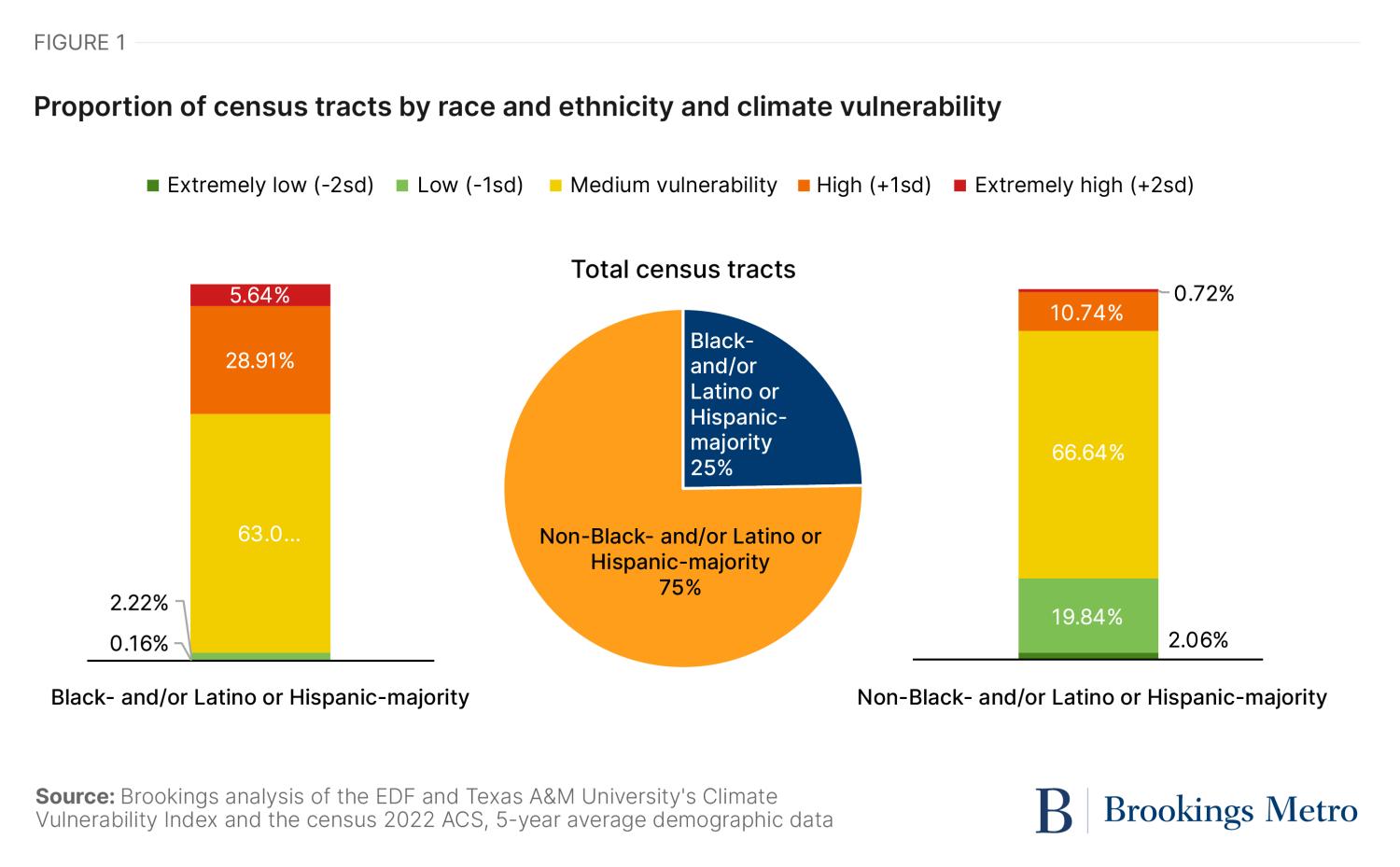
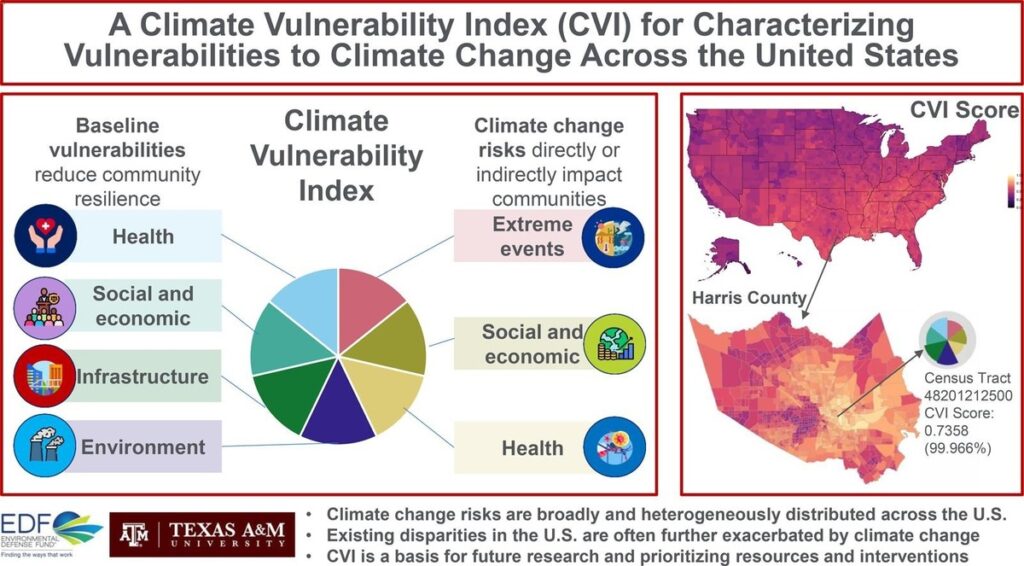
The Climate Vulnerability Index (CVI) is a tool that helps address this issue by providing a framework for understanding the unique challenges faced by communities of color. The CVI is a data-driven approach that assesses the vulnerability of communities to climate-related hazards, taking into account factors such as socioeconomic status, access to resources, and existing health conditions.
The Climate Vulnerability Gap: A Metaphor for Systemic Injustice
The climate vulnerability gap is a metaphor for the systemic injustices that have been perpetuated against communities of color. It is a reminder that the effects of climate change are not felt equally by all, and that the most vulnerable populations are often the most affected. This gap is a manifestation of the historical and ongoing disparities that have been created and perpetuated by systemic racism.
The climate vulnerability gap is not just a statistical anomaly; it is a reflection of the structural barriers that prevent communities of color from accessing the resources and opportunities needed to adapt to and mitigate the effects of climate change. It is a call to action for policymakers, researchers, and community leaders to work together to address this issue and create a more just and equitable society.
Conclusion: Bridging the Climate Vulnerability Gap
The climate vulnerability gap is a complex issue that requires a multifaceted approach to address. It is essential to acknowledge the historical and systemic injustices that have created this gap and to work towards creating a more just and equitable society. By using data-driven approaches like the CVI, we can better understand the unique challenges faced by communities of color and work towards creating a more resilient and adaptable society.

As we move forward in this critical moment, it is essential to remember that the climate vulnerability gap is not just a statistical anomaly, but a reflection of the systemic injustices that have been perpetuated against communities of color. By acknowledging and addressing this gap, we can work towards creating a more just and equitable society that is better prepared to face the challenges of climate change.