Demographic Data on Income and Internet Access: A Growing Divide?
=====================================================
The digital divide, a term coined in the 1990s, refers to the gap between those who have access to the internet and those who do not. This divide is often characterized by socioeconomic factors, with lower-income households being less likely to have internet access. But is this divide still a pressing issue today? And if so, what are the implications for individuals, communities, and society as a whole?
Household Internet Access by Income Bracket
—————————————–
According to recent data, there is a significant disparity in household internet access by income bracket. As seen in the chart below, households with monthly net incomes below $30,000 are less likely to have internet access, with only 44% reporting access in 2018. In contrast, households with monthly net incomes above $75,000 are more likely to have internet access, with 93% reporting access in the same year.
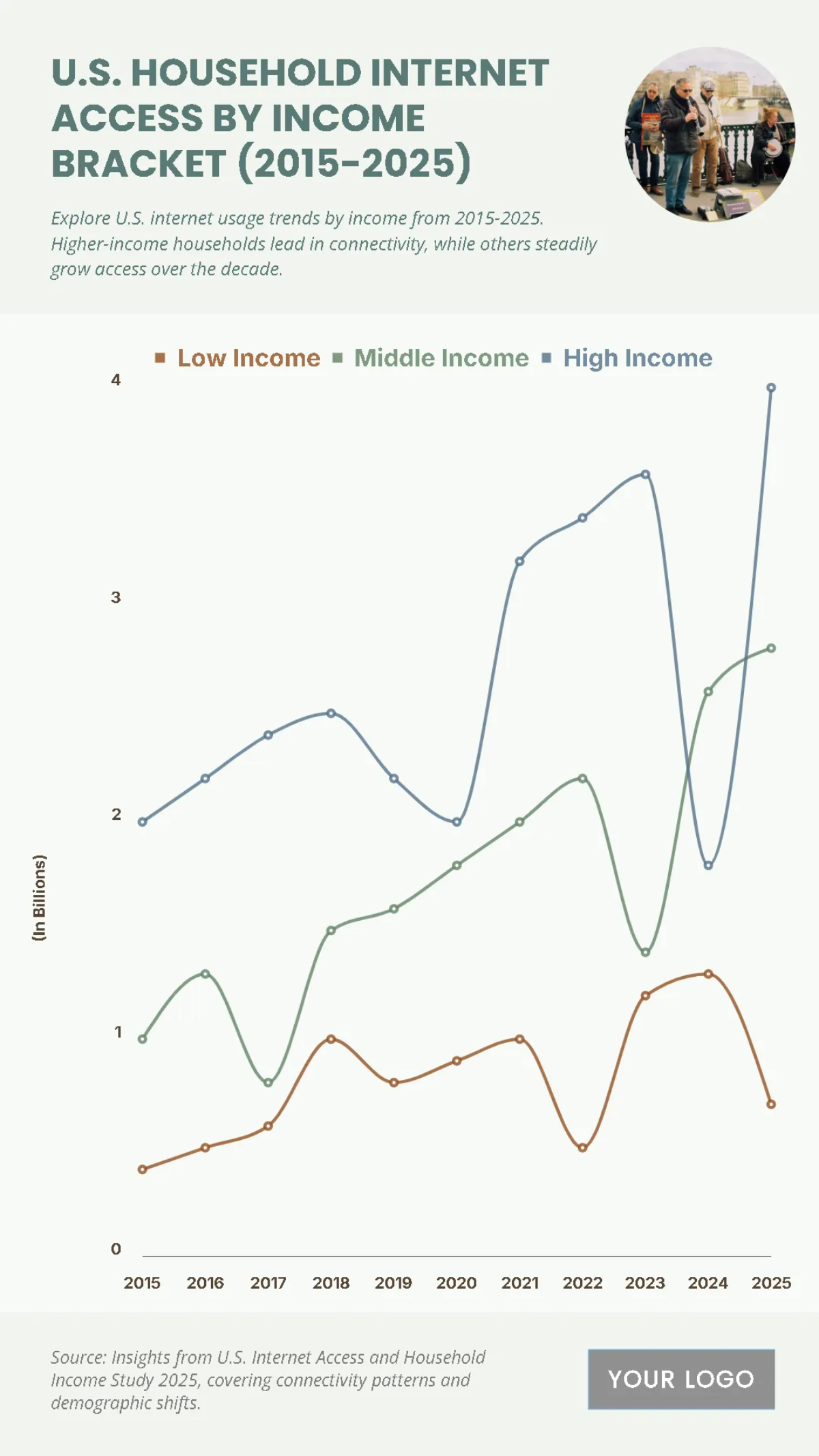
The implications of this divide are far-reaching. For individuals, limited internet access can mean limited access to information, education, and job opportunities. For communities, it can mean limited access to resources, services, and social connections. And for society as a whole, it can mean limited economic growth, social mobility, and innovation.
Detailed Demographic Tables
—————————
But what about the demographics of those who do have internet access? Are there any patterns or trends that emerge when we look at the data? According to recent research, there are several key findings. For example, households with higher incomes are more likely to have multiple internet-connected devices, with 71% reporting multiple devices in 2018. In contrast, households with lower incomes are less likely to have multiple devices, with only 26% reporting multiple devices in the same year.

The data also reveals some interesting trends when it comes to age and internet access. For example, younger households (those with heads of household under the age of 35) are more likely to have internet access, with 85% reporting access in 2018. In contrast, older households (those with heads of household 65 or older) are less likely to have internet access, with only 51% reporting access in the same year.
Conclusion
———-
The data on household internet access by income bracket paints a clear picture: there is a significant divide between those who have access to the internet and those who do not. This divide has far-reaching implications for individuals, communities, and society as a whole. As we move forward, it is essential that we address this divide and work towards a more equitable and connected world.