Demographic Data on Remote vs. Hybrid vs. Onsite: Unpacking the Trends
=====================================================
The modern workplace has undergone a significant transformation in recent years, with the rise of remote work, hybrid arrangements, and traditional onsite settings. As organizations adapt to these new realities, it’s essential to understand the demographic trends surrounding each setup. In this article, we’ll delve into the data to uncover the insights that can inform your work environment choices.
### The Rise of Remote Work
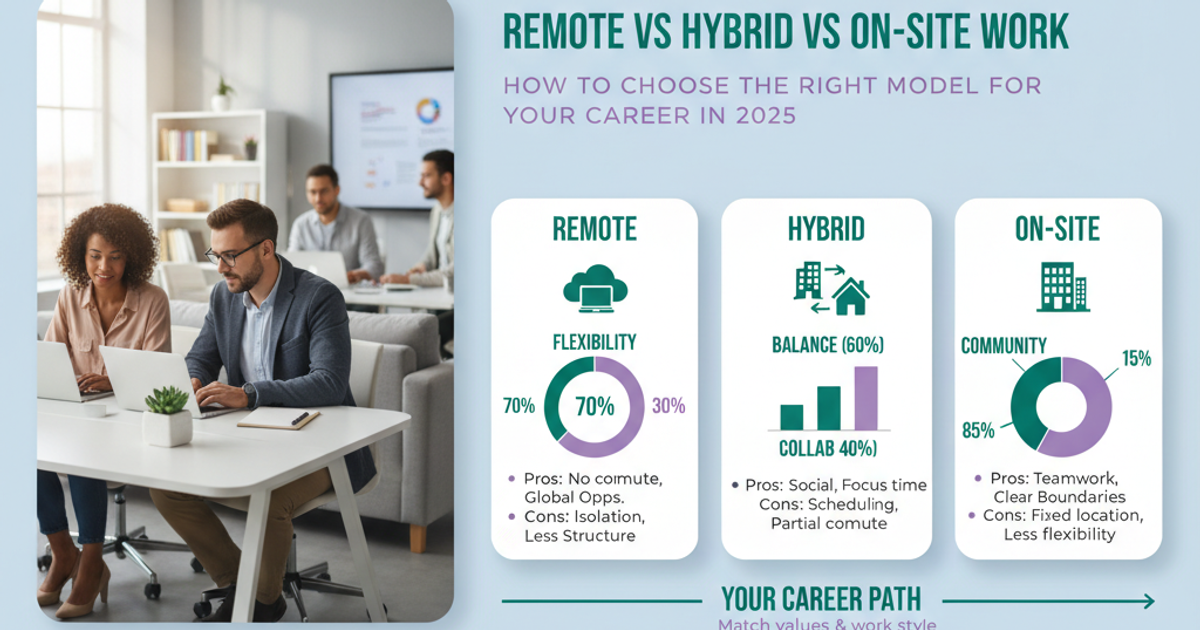
According to recent studies, a significant portion of the global workforce is now working remotely at least part-time. This shift is driven by the increasing demand for flexibility, the need for work-life balance, and the growing recognition of the benefits of remote work, such as reduced commuting time and increased productivity. As a result, organizations are rethinking their traditional onsite setups and exploring alternative arrangements to meet the evolving needs of their employees.
### The Emergence of Hybrid Arrangements
Hybrid work arrangements, which combine elements of remote and onsite work, are also gaining popularity. This setup allows employees to work from home or a remote location for part of the week, while still maintaining a connection to the office and colleagues. Data suggests that hybrid arrangements can lead to increased job satisfaction, improved work-life balance, and enhanced collaboration.
### The Persistence of Onsite Work
Despite the growing trend towards remote and hybrid work, onsite work remains a staple for many organizations. Onsite work can foster a sense of community, facilitate face-to-face interactions, and promote a sense of belonging. However, onsite work can also be limiting, with employees often facing long commutes, rigid schedules, and a lack of flexibility.
### Demographic Insights
A closer examination of demographic data reveals some intriguing trends. For instance, younger generations (Gen Z and Millennials) are more likely to prefer remote or hybrid work arrangements, while older generations (Gen X and Baby Boomers) tend to prefer onsite work. Additionally, data suggests that women are more likely to work remotely, while men are more likely to work onsite.
### The Challenges Ahead
As organizations navigate these changing work environments, they must also contend with potential challenges. For example, how can they ensure effective communication and collaboration among remote teams? How can they maintain a sense of community and belonging in a hybrid or onsite setting? How can they address the needs of diverse employees with varying preferences and needs?
### Conclusion
In conclusion, the data on remote, hybrid, and onsite work arrangements paints a complex picture. While each setup has its advantages and disadvantages, it’s clear that the modern workplace is evolving to meet the needs of a diverse and global workforce. By understanding the demographic trends and challenges surrounding each setup, organizations can make informed decisions about their work environment choices, ultimately leading to increased job satisfaction, improved productivity, and enhanced employee well-being.