Demographic Data on Diabetes Prevalence by Race
Diabetes is a significant public health concern, affecting millions of people worldwide. The prevalence of diabetes varies across different racial and ethnic groups, with some groups being disproportionately affected. In this article, we will explore the demographic data on diabetes prevalence by race, highlighting the key findings and implications for healthcare providers and policymakers.
Racial and Ethnic Disparities in Diabetes Prevalence
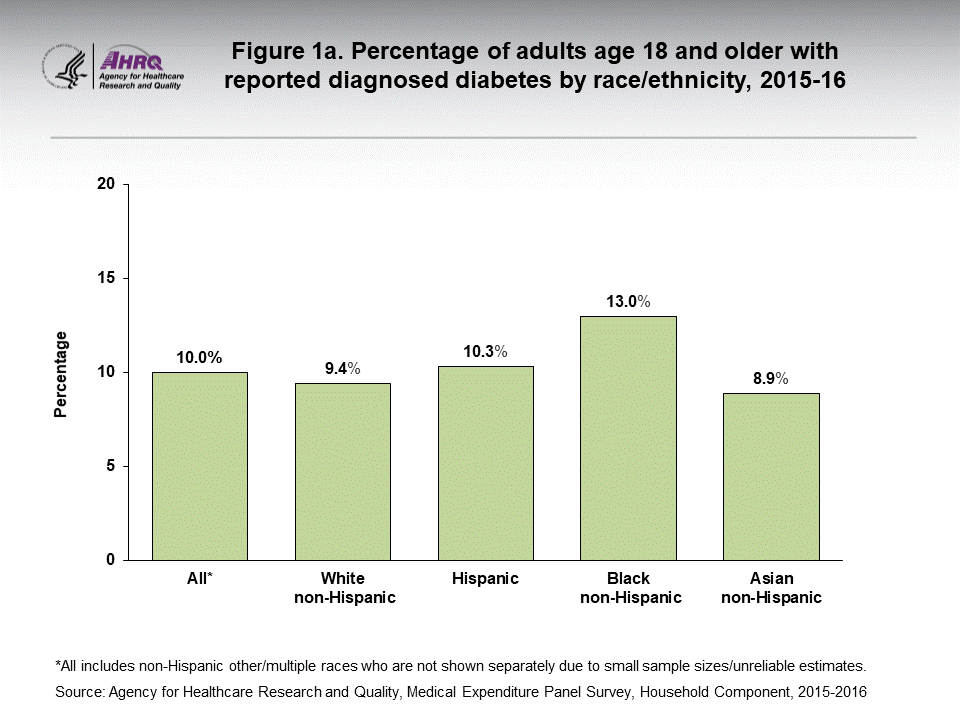
According to the Centers for Medicare and Medicaid Services (CMS), racial and ethnic disparities in diabetes prevalence are a significant concern. The data shows that certain racial and ethnic groups are more likely to develop diabetes, with African Americans, Hispanics, and American Indians being disproportionately affected.
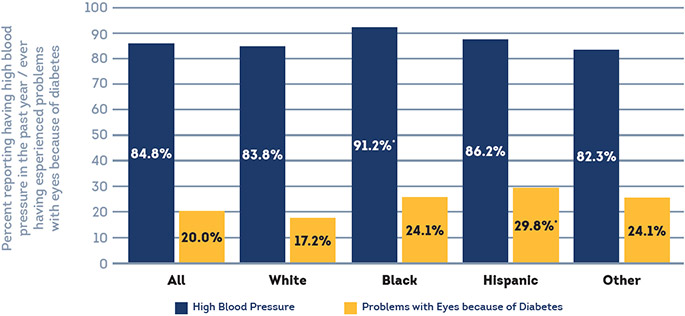
For example, the data from the CMS shows that in 2019, the age-adjusted prevalence of diagnosed diabetes was 12.7% among non-Hispanic whites, 14.1% among non-Hispanic blacks, and 17.3% among Hispanics. These disparities are concerning, as they can have significant implications for healthcare outcomes and health disparities.
Treatment and Monitoring of Adults with Diabetes
Effective treatment and monitoring of adults with diabetes are critical to improving health outcomes. The data from the Agency for Healthcare Research and Quality (AHRQ) shows that certain racial and ethnic groups are more likely to receive inadequate treatment and monitoring, which can exacerbate health disparities.
For example, the data from the AHRQ shows that in 2019, 44.1% of non-Hispanic whites, 51.3% of non-Hispanic blacks, and 54.5% of Hispanics reported not receiving adequate treatment for their diabetes. These disparities are concerning, as they can have significant implications for healthcare outcomes and health disparities.
Implications for Healthcare Providers and Policymakers
The demographic data on diabetes prevalence by race highlights the need for targeted interventions and strategies to address health disparities. Healthcare providers and policymakers must work together to develop and implement effective solutions to improve health outcomes and reduce health disparities.
Some potential strategies include:
- Increasing access to healthcare services and health education for underserved populations
- Developing culturally sensitive and tailored interventions to address the unique needs of different racial and ethnic groups
- Improving data collection and analysis to better understand the scope of the problem and identify effective solutions
By working together, we can reduce health disparities and improve health outcomes for all individuals, regardless of their race or ethnicity.