Section 8 Voucher Holder Demographic Data by City
When it comes to the Section 8 Voucher program, one of the most common observations is the stark contrast between the demographics of voucher holders in different cities. This phenomenon has sparked a great deal of curiosity and debate among housing experts, policymakers, and the general public alike.
Demographic Disparities
According to data from the U.S. Department of Housing and Urban Development (HUD), the demographics of Section 8 voucher holders vary significantly across cities. For instance, in New York City, the majority of voucher holders are African American, while in Los Angeles, the majority are Hispanic. In contrast, in cities like Seattle and San Francisco, the majority of voucher holders are white.
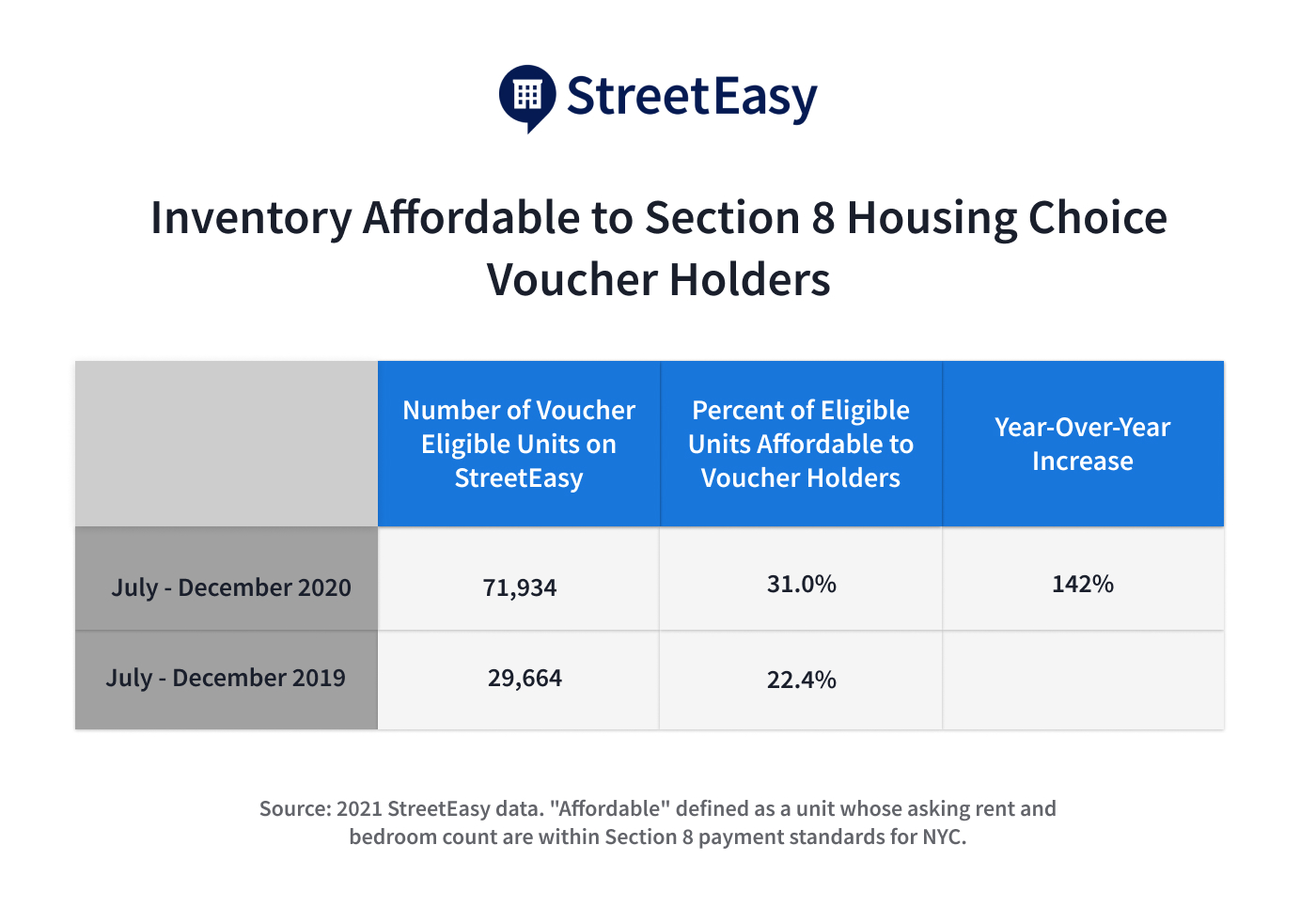
This disparity is not limited to racial demographics. Income levels, family size, and age also differ significantly across cities. For example, in cities with high costs of living, such as San Francisco and New York, the majority of voucher holders have lower incomes and larger family sizes. In contrast, in cities with lower costs of living, such as Oklahoma City and Kansas City, the majority of voucher holders have higher incomes and smaller family sizes.
Why the Disparities Matter
So, why do these demographic disparities matter? For one, they highlight the need for more targeted and effective solutions to address the unique challenges faced by different communities. For example, in cities with high concentrations of low-income families, the need for more affordable housing options and social services is clear. In contrast, in cities with higher concentrations of working-class families, the need for more job training programs and career advancement opportunities is equally clear.
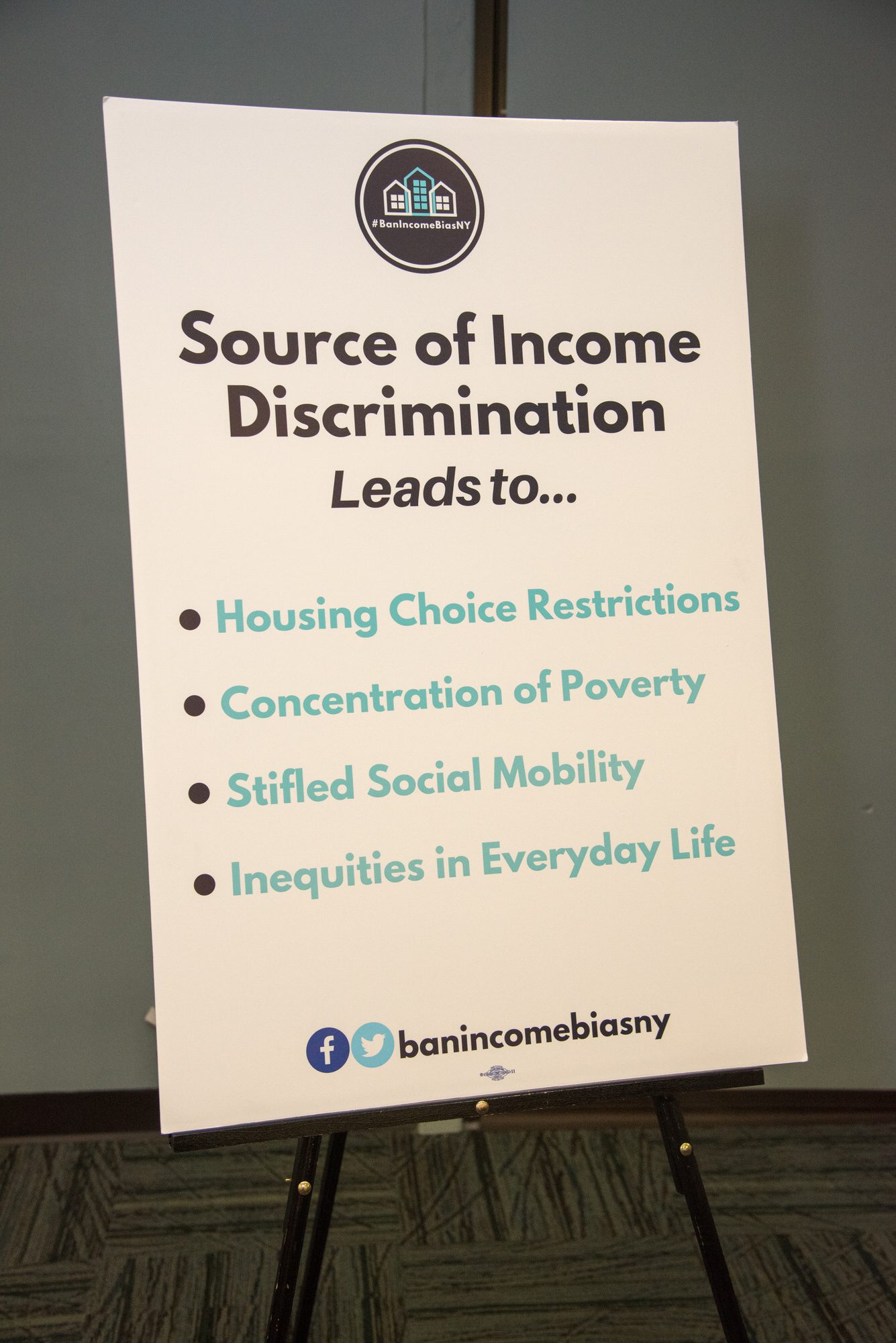
Furthermore, these disparities underscore the importance of data-driven decision making in housing policy. By analyzing demographic data, policymakers can better understand the needs of different communities and develop more effective solutions to address them. This, in turn, can help to reduce the number of families and individuals struggling to find affordable housing and improve overall community well-being.
The Ins and Outs of Section 8 and Other Housing Choice Voucher Programs
Section 8 and other housing choice voucher programs are designed to provide affordable housing options to low-income families, the elderly, and people with disabilities. However, the program’s effectiveness is often hampered by limited funding, bureaucratic red tape, and a lack of transparency. As a result, many families and individuals are left struggling to find affordable housing, leading to a range of negative consequences, including increased homelessness, overcrowding, and poor health outcomes.

In conclusion, the demographic disparities in Section 8 voucher holders by city are a complex issue that requires a nuanced understanding of the underlying factors driving these disparities. By analyzing demographic data and developing targeted solutions, policymakers can help to reduce the number of families and individuals struggling to find affordable housing and improve overall community well-being.