Demographic Data on Shared Equity Homeownership Participants
Shared equity homeownership is a growing trend in the housing market, offering an alternative to traditional homeownership models. As the concept gains momentum, it’s essential to understand the demographic data of participants in this innovative approach. In this article, we’ll delve into the key characteristics of shared equity homeownership participants, exploring the types of content readers can expect.
Age and Income
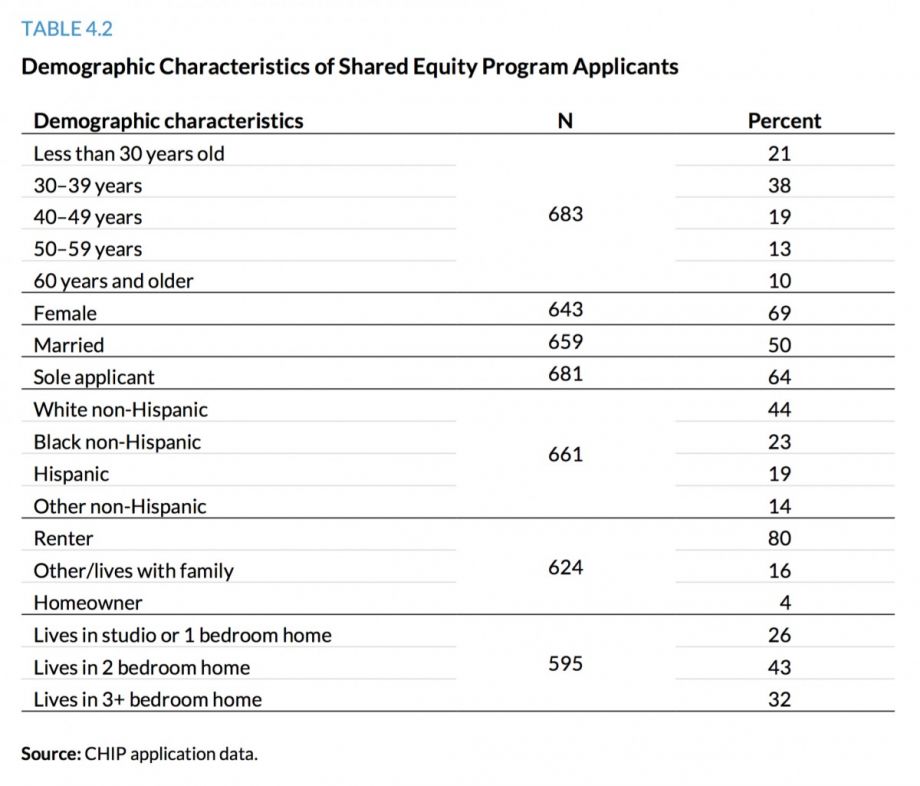
According to recent studies, the majority of shared equity homeownership participants are between the ages of 25 and 45, with a median income ranging from $40,000 to $80,000. This demographic is often characterized as “middle-class” or “working-class” individuals who struggle to afford traditional homeownership options. They may be first-time homebuyers, young professionals, or families seeking a more affordable path to homeownership.
Occupation and Education
Shared equity homeownership participants often have a strong educational background, with a significant proportion holding a bachelor’s degree or higher. In terms of occupation, many participants are employed in the service industry, healthcare, or education, with a smaller percentage working in the tech or finance sectors. This demographic is often characterized by a strong work ethic and a desire for stability and security.
Family Structure and Size
Many shared equity homeownership participants are part of a nuclear family, with two to three children. However, this demographic also includes single individuals, couples, and larger families. The median family size is around 3.5 people, with a significant proportion of participants having at least one child under the age of 18. This demographic is often characterized by a strong sense of family and a desire for a stable living environment.
Geographic Location
Shared equity homeownership participants can be found in urban, suburban, and rural areas across the United States. However, this demographic is more prevalent in cities with a high cost of living, such as San Francisco, New York, or Seattle. These areas often have a shortage of affordable housing options, making shared equity homeownership a more attractive alternative. This demographic is often characterized by a desire for urban living and a willingness to adapt to new and innovative housing solutions.
Conclusion
Shared equity homeownership participants are a diverse group, united by their desire for affordable and sustainable housing options. By understanding the demographic data of this demographic, we can better tailor our approach to meet their needs and preferences. As the concept of shared equity homeownership continues to gain momentum, it’s essential to prioritize the needs and concerns of this growing demographic. By doing so, we can create a more inclusive and equitable housing market for all.
Shared-Equity Homeownership Model, Explained | Chase