Southeast Asian Demographic Data: Rising Middle Class
As the world becomes increasingly interconnected, it’s no surprise that the concept of a “middle class” has taken on a new level of significance. But what exactly does it mean to be part of this elusive group? Is it simply a matter of income, or is there more to it than that?
The Rise of the Middle Class in Southeast Asia
According to recent studies, the middle class in Southeast Asia is on the rise. In fact, it’s estimated that by 2025, the region will be home to over 400 million middle-class consumers. But what does this mean for the region’s economy, and more importantly, for its people?
One of the most significant implications of this growing middle class is the shift in consumer behavior. As people’s incomes rise, they’re more likely to invest in themselves, whether that means buying a new car, taking a vacation, or simply enjoying a nice dinner out. This, in turn, has a ripple effect on the economy, creating new opportunities for businesses and entrepreneurs.
ASEAN’s Rising Middle Class Offers Long-Term Potential
But the rise of the middle class in Southeast Asia isn’t just about consumer spending. It’s also about the potential for long-term growth and development. As the region’s economies continue to diversify and expand, the middle class is likely to play a key role in driving innovation and entrepreneurship.

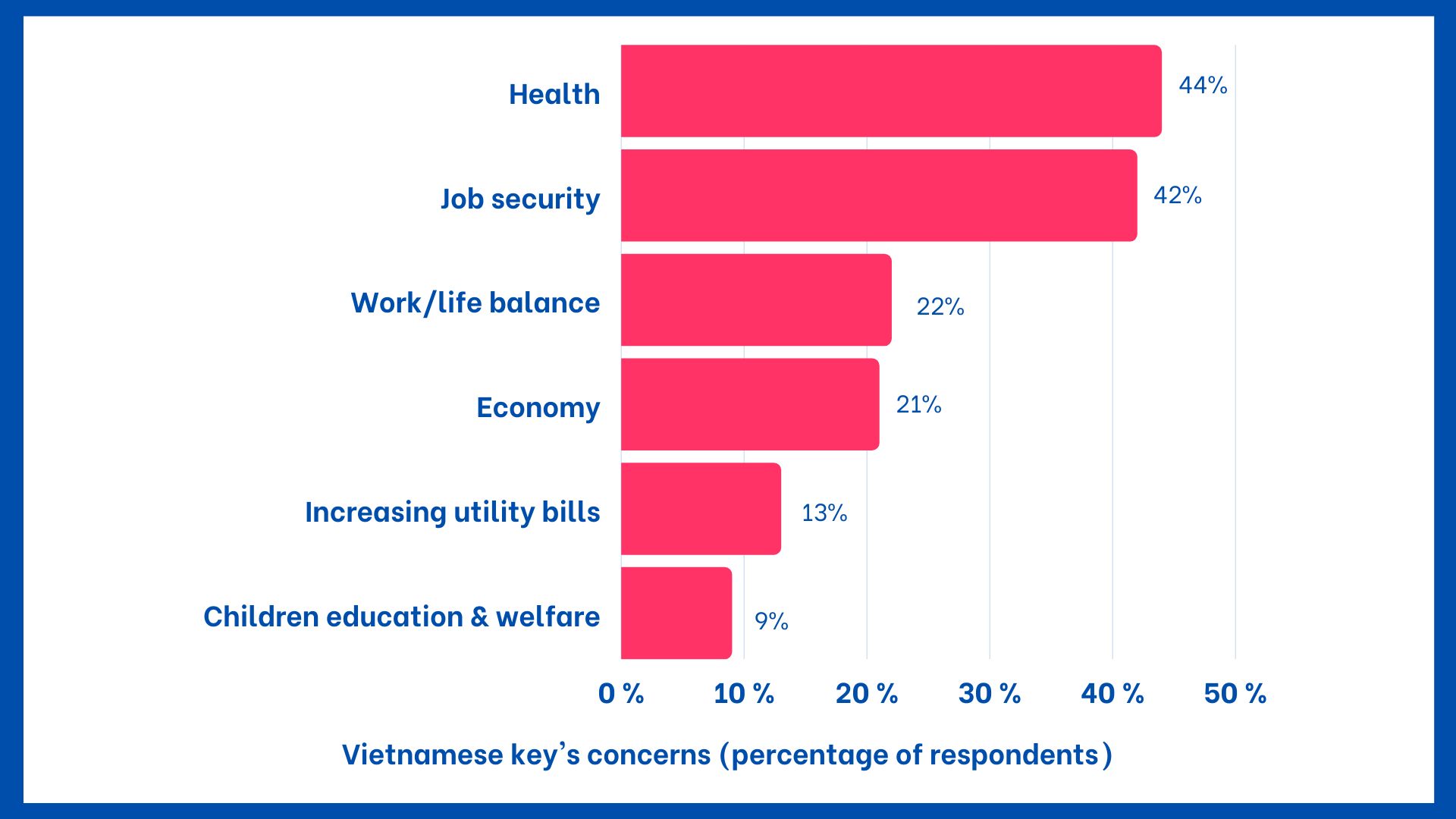
Take, for example, the case of Vietnam, where the middle class is expected to grow by over 50% in the next five years. This presents a significant opportunity for businesses to tap into this growing market, but it also requires a deep understanding of the region’s unique cultural and economic landscape.
Middle Class in Vietnam: Rising New Trends of Consumption
So, what does the future hold for Southeast Asia’s middle class? As the region continues to urbanize and modernize, it’s likely that we’ll see a shift towards more sophisticated consumer behaviors. This could include a greater emphasis on experiences, such as travel and entertainment, as well as a growing interest in health and wellness.
But as the region’s middle class continues to rise, it’s also important to consider the potential challenges that come with it. From income inequality to environmental concerns, there are many factors that could impact the region’s long-term growth and development.
As we look to the future, it’s clear that the rise of the middle class in Southeast Asia will be a key driver of growth and development. But it’s also important to remember that this growth must be sustainable, equitable, and environmentally conscious. The question is, are we ready to meet the challenge?