Demographic data is a crucial aspect of any report, providing valuable insights into a company’s target audience, market trends, and consumer behavior. However, it’s easy to fall prey to common pitfalls that can lead to inaccurate conclusions and misguided decisions. In this article, we’ll explore 5 demographic data fallacies to avoid in reports, and how to steer clear of them.
1. The Fallacy of Oversimplification
One of the most common mistakes is to oversimplify complex demographic data, reducing it to simplistic generalizations or stereotypes. This can lead to a lack of understanding of the nuances within the data, resulting in poor decision-making. For instance, assuming that all 25-34-year-olds are the same, or that all urban dwellers have the same preferences, can be a recipe for disaster.
To avoid this fallacy, it’s essential to drill down into the data, examining the subtleties and variations within each demographic group. This will provide a more accurate and comprehensive understanding of the target audience, allowing for more effective marketing strategies and targeted campaigns.

2. The Fallacy of Selective Perception
Another common mistake is to selectively perceive data that confirms preconceived notions, while ignoring or downplaying data that contradicts them. This can lead to a narrow and biased understanding of the market, resulting in poor decision-making.
To avoid this fallacy, it’s crucial to maintain an open-minded and objective approach to data analysis. This involves considering all available data, even if it challenges existing assumptions, and being willing to adjust strategies accordingly.
3. The Fallacy of False Dichotomies
False dichotomies occur when data is presented in an either-or format, implying that there are only two options or perspectives. This can lead to a lack of understanding of the complexities within the data, resulting in poor decision-making.
To avoid this fallacy, it’s essential to present data in a more nuanced and balanced manner, acknowledging the gray areas and complexities within each demographic group.
4. The Fallacy of Misleading Visualizations
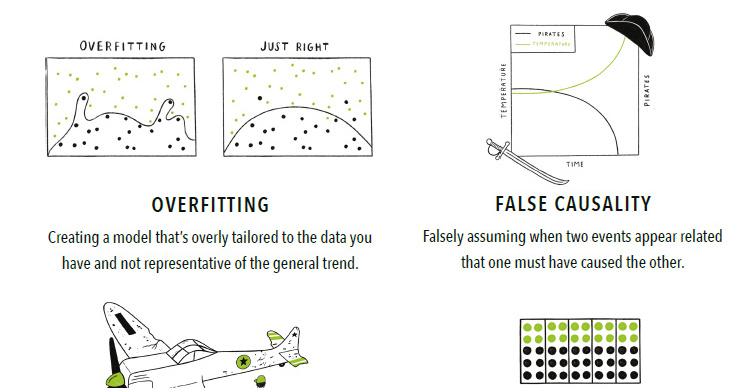
Misleading visualizations can occur when data is presented in a way that is misleading or inaccurate, often due to poor design or manipulation of the data. This can lead to a lack of understanding of the data, resulting in poor decision-making.
To avoid this fallacy, it’s crucial to ensure that visualizations are accurate, clear, and easy to understand. This involves using best practices in data visualization, such as using clear and concise labels, and avoiding 3D effects or other visual tricks that can distort the data.
5. The Fallacy of Ignoring Context
Finally, it’s essential to consider the context in which the data is being analyzed. This involves taking into account external factors that may impact the data, such as economic trends, social movements, or technological advancements.
To avoid this fallacy, it’s crucial to maintain a broad perspective, considering the larger context in which the data is being analyzed. This will provide a more accurate and comprehensive understanding of the target audience, allowing for more effective marketing strategies and targeted campaigns.
By avoiding these 5 demographic data fallacies, you can ensure that your reports are accurate, comprehensive, and effective. Remember to maintain an open-minded and objective approach to data analysis, and to consider the subtleties and complexities within each demographic group. With these best practices in mind, you’ll be well on your way to creating reports that truly inform and inspire.