Demographic Data for Gifted Program Identification by Race
Does the concept of giftedness still hold the same significance in today’s diverse society? As we delve into the world of gifted education, it’s crucial to acknowledge the importance of demographic data in identifying students who possess exceptional abilities.
Why Demographic Data Matters
Gifted programs have long been a cornerstone of education, aiming to nurture the talents of students who demonstrate exceptional abilities. However, the question remains: are these programs truly inclusive and representative of the diverse student population?

Research suggests that demographic data can play a vital role in identifying gifted students. For instance, a study by Halil Yildirim found that sociodemographic characteristics, such as socioeconomic status, parental education, and family structure, can significantly impact a student’s likelihood of being identified as gifted.
Sociodemographic Characteristics of Gifted Students
According to Yildirim’s research, gifted students tend to exhibit specific sociodemographic characteristics. For instance, students from higher socioeconomic backgrounds are more likely to be identified as gifted, while students from lower socioeconomic backgrounds are less likely to be recognized for their exceptional abilities.

Moreover, research suggests that students from diverse racial and ethnic backgrounds are underrepresented in gifted programs. This raises concerns about the lack of representation and the potential for bias in the identification process.
Improving Gifted Identification
So, how can we improve the identification process to better represent the diverse student population? One potential solution is to incorporate more diverse and inclusive criteria for identifying gifted students. This could include considering a broader range of abilities, such as creativity, leadership, and problem-solving skills, in addition to traditional measures of intelligence.
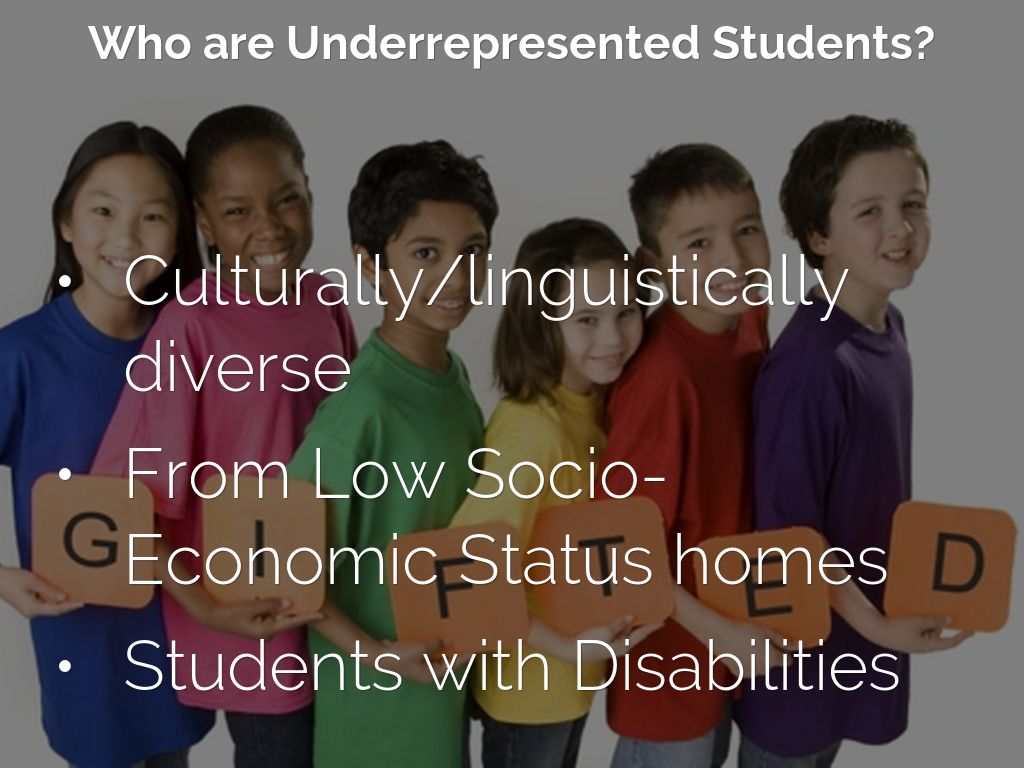
By acknowledging the importance of demographic data and incorporating more inclusive criteria, we can work towards creating a more representative and inclusive gifted education system. As we continue to navigate the complexities of gifted education, it’s essential to prioritize diversity, equity, and inclusion in our approach to identifying and nurturing exceptional abilities.