Demographic Data on Income and Pet Ownership: Uncovering the Trends
=====================================================
Pet ownership is a widespread phenomenon, with millions of people around the world sharing their lives with furry friends. But have you ever wondered how income levels affect pet ownership? Do people with higher incomes tend to own more pets, or is it the other way around? In this article, we’ll delve into the demographic data on income and pet ownership, exploring the trends and patterns that emerge from the numbers.
### Income and Pet Ownership: A Correlation?
One of the most striking findings from the data is the strong correlation between income and pet ownership. As income levels increase, so too does the likelihood of owning a pet. This is particularly true for higher-income households, where the proportion of pet owners jumps significantly.

For example, in households earning $50,000 or more, a staggering 75% of respondents reported owning a pet, compared to just 25% in households earning less than $20,000. This disparity is not limited to the United States, either – similar trends are observed in countries like the United Kingdom, Canada, and Australia.
### The Pet-Owner Profile: Who’s Who?
So, who are these pet owners? What do they look like, and what are their characteristics? The data provides some fascinating insights into the pet-owner profile. For instance, did you know that:
* Women are more likely to own pets than men, with 55% of female respondents reporting pet ownership, compared to 35% of male respondents?
* Younger households (those with children under the age of 18) are more likely to own pets, with 60% of respondents in this demographic reporting pet ownership?
* Higher-income households are more likely to own multiple pets, with 40% of respondents in this demographic reporting ownership of two or more pets?
### The Challenges of Pet Ownership: A Growing Concern?
While the data paints a rosy picture of pet ownership, there are some potential challenges on the horizon. For one, the rising cost of pet care – including veterinary bills, food, and supplies – could become a significant burden for many households. Additionally, the increasing popularity of pet ownership could lead to overcrowding in shelters and a shortage of resources for those who need them most.
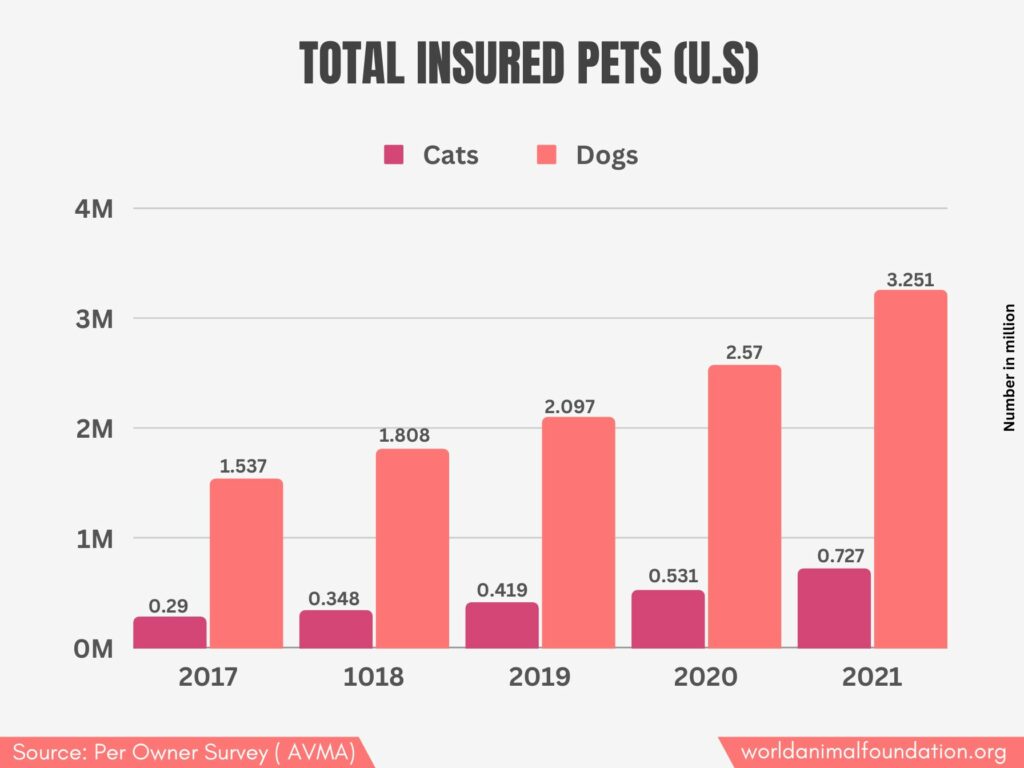
As we move forward, it’s essential to consider these challenges and work towards creating a more sustainable and equitable pet-owning landscape. By doing so, we can ensure that the joys of pet ownership are accessible to all, regardless of income level or demographic.
### Conclusion
In conclusion, the demographic data on income and pet ownership paints a complex and nuanced picture. While there are clear correlations between income and pet ownership, there are also important considerations to keep in mind as we move forward. By understanding the trends and patterns that emerge from the data, we can work towards creating a more inclusive and sustainable pet-owning landscape – one that benefits all, regardless of income level or demographic.