Demographic Data in the UK: Uncovering Regional Disparities
The UK is a nation of contrasts, where prosperity and poverty, health and illness, and opportunity and disadvantage coexist in a complex tapestry. As we delve into the world of demographic data, it becomes clear that regional disparities are a pressing concern, with far-reaching implications for individuals, communities, and society as a whole.
Regional Disparities: A Growing Concern
According to recent studies, the UK is home to significant regional disparities, with certain areas experiencing higher levels of poverty, unemployment, and poor health outcomes. For instance, a report by the Office for National Statistics (ONS) reveals that the North East and North West of England have higher rates of poverty and unemployment compared to other regions. Similarly, a study by the King’s Fund highlights the significant health disparities between different regions, with some areas experiencing higher rates of premature mortality and lower life expectancy.
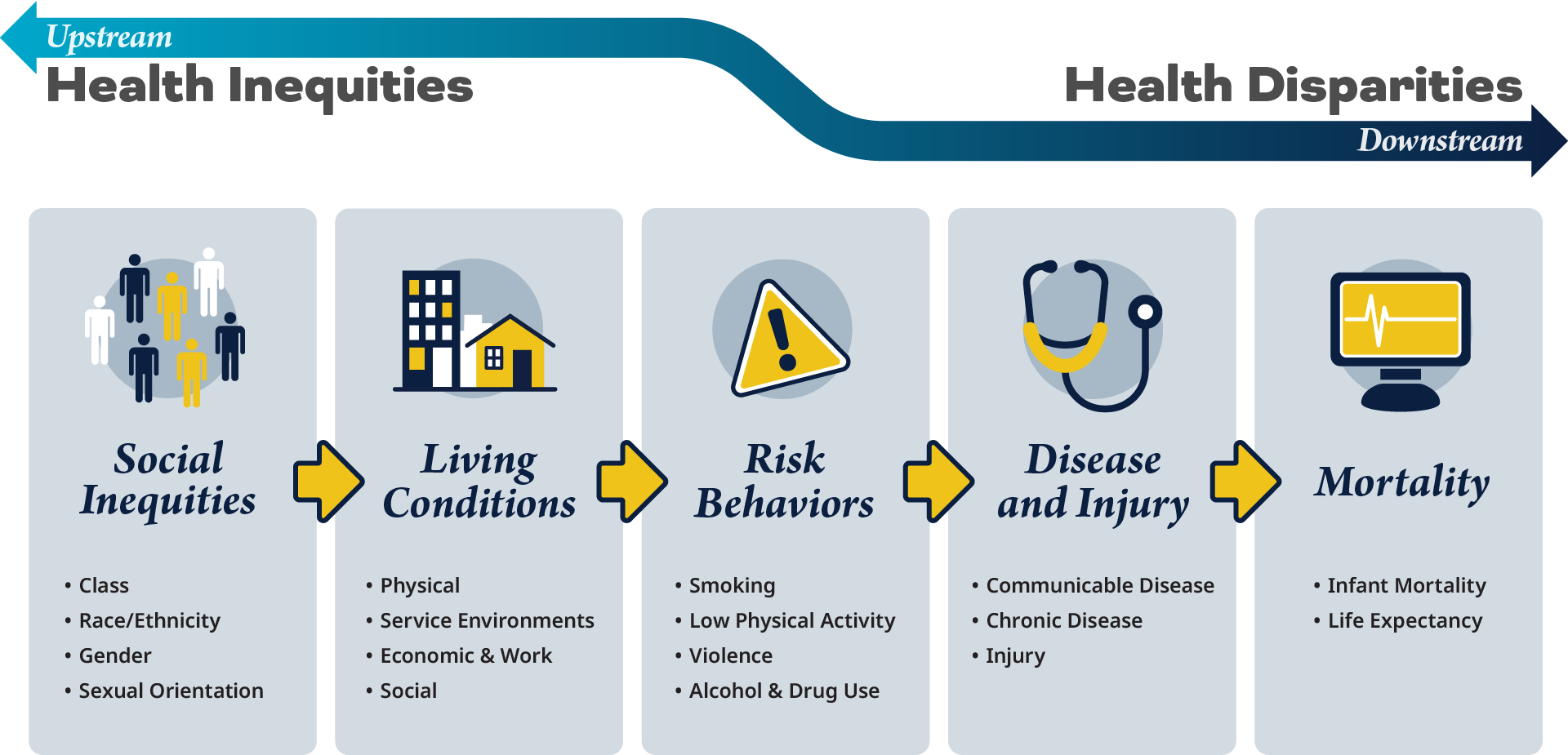
What Drives Regional Disparities?
So, what are the underlying factors contributing to these regional disparities? One key driver is the economic landscape, with areas heavily reliant on industries such as manufacturing and mining experiencing higher levels of unemployment and poverty. Additionally, the availability and quality of education, healthcare, and other public services can also play a significant role in shaping regional disparities. For instance, a study by the National Foundation for Educational Research (NFER) reveals that areas with lower levels of educational attainment are more likely to experience higher rates of poverty and unemployment.
Addressing Regional Disparities: A Call to Action
So, what can be done to address these regional disparities and promote greater equality and fairness across the UK? One key step is to invest in targeted interventions, such as education and job training programs, to help individuals and communities build skills and access better opportunities. Additionally, policymakers can work to improve the availability and quality of public services, such as healthcare and education, to ensure that all regions have access to the same level of support and resources. By taking a proactive and collaborative approach, we can work towards a more equitable and prosperous future for all regions of the UK.
Conclusion
Regional disparities are a complex and pressing issue, requiring a multifaceted approach to address. By understanding the underlying drivers of these disparities and investing in targeted interventions, we can work towards a more equal and prosperous future for all regions of the UK. As we continue to navigate the challenges and opportunities of the 21st century, it is essential that we prioritize the needs of all regions, ensuring that no one is left behind in the pursuit of a better life.
References
Office for National Statistics (ONS). (2022). Poverty and income in the UK: 2022. Retrieved from https://www.ons.gov.uk/employmentandlabourmarket/earningsandpensions/povertyandincomeintheuk/2022
King’s Fund. (2020). Health inequalities in England: An analysis of the 2019 data. Retrieved from https://www.kingsfund.org.uk/publications/health-inequalities-england-analysis-2019-data
National Foundation for Educational Research (NFER). (2019). The impact of education on poverty and social mobility. Retrieved from https://www.nfer.ac.uk/publications/the-impact-of-education-on-poverty-and-social-mobility/