Racial Disparities in Student Loan Default: Data
Student loan debt has become a ubiquitous concern in the United States, with millions of borrowers struggling to make ends meet. However, a closer examination of the data reveals a disturbing trend: racial disparities in student loan default rates. This phenomenon is not only a reflection of the broader societal issues plaguing communities of color but also a stark reminder of the need for a paradigm shift in the way we approach student loan debt.
Communities of Color in Crisis: Examining Racial Disparities in Student Loan Default
According to the data, communities of color are disproportionately affected by student loan default. This is not a new phenomenon, but the sheer scale of the issue is staggering. For instance, African American borrowers are more likely to default on their student loans, with a default rate of 24.4% compared to 12.4% for white borrowers. Similarly, Hispanic borrowers default at a rate of 21.1%, while Asian borrowers default at a rate of 14.1%. These numbers are a sobering reminder of the systemic inequalities that persist in our society.
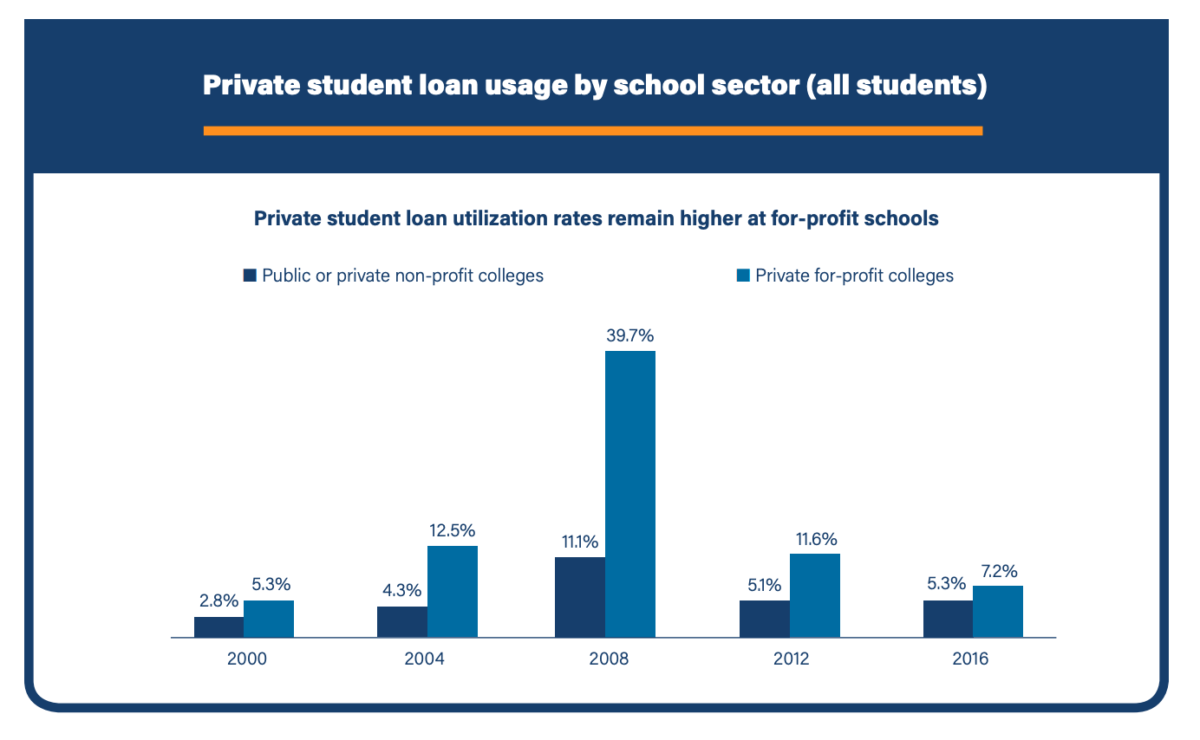
But what exactly is driving these disparities? Is it a lack of access to financial resources, inadequate financial literacy, or something more insidious? The data suggests that it is a complex interplay of factors, including limited access to financial aid, inadequate financial planning, and a lack of support systems. Furthermore, the data highlights the need for a more nuanced understanding of the root causes of student loan default, rather than simply treating the symptoms.
Racial Disparities in Student Loan Outcomes
The data also reveals a stark reality: racial disparities in student loan outcomes are not limited to default rates. For instance, African American borrowers are more likely to be delinquent on their loans, with 34.1% of borrowers in this demographic experiencing delinquency, compared to 17.1% of white borrowers. Similarly, Hispanic borrowers are more likely to be in collections, with 25.1% of borrowers in this demographic experiencing collections, compared to 12.1% of white borrowers. These numbers are a chilling reminder of the systemic inequalities that persist in our society.

So, what can be done to address these disparities? The data suggests that a multifaceted approach is necessary, one that addresses the root causes of student loan default and provides targeted support to communities of color. This may involve increasing access to financial aid, providing financial planning resources, and creating support systems for borrowers. Furthermore, the data highlights the need for a more nuanced understanding of the root causes of student loan default, rather than simply treating the symptoms.
A Shift in Perspective
The data presents a stark reality: racial disparities in student loan default are a symptom of a broader societal issue. However, it also presents an opportunity for a shift in perspective. Rather than viewing student loan default as a personal failing, we must recognize it as a systemic issue that requires a systemic solution. This shift in perspective is critical, as it allows us to move beyond the simplistic solutions that have failed to address the root causes of student loan default.
As we move forward, it is essential that we prioritize a nuanced understanding of the root causes of student loan default, rather than simply treating the symptoms. This requires a multifaceted approach that addresses the systemic inequalities that persist in our society. By doing so, we can create a more just and equitable society, one that recognizes the inherent value of every individual, regardless of their race or socioeconomic status.
Racial Disparities in Student Loan Default: Data