Demographic data ethics is a pressing concern in today’s data-driven world. As we increasingly rely on data to inform our decisions, it’s essential to ensure that this data is accurate, unbiased, and used responsibly. In this article, we’ll explore the importance of avoiding bias and misuse in demographic data, and examine the potential challenges that arise when data is not handled with care.
What is Demographic Data?
Demographic data refers to the collection and analysis of information about a population, including characteristics such as age, gender, race, and socioeconomic status. This data is used to understand trends, make predictions, and inform policy decisions. However, the quality of this data is crucial, as even small errors or biases can have significant consequences.
The Risks of Biased Data
Biased data can have far-reaching and devastating effects. For example, if a dataset is skewed towards a particular demographic, it can perpetuate stereotypes and reinforce existing inequalities. This can lead to inaccurate conclusions, poor decision-making, and even harm to individuals or groups.
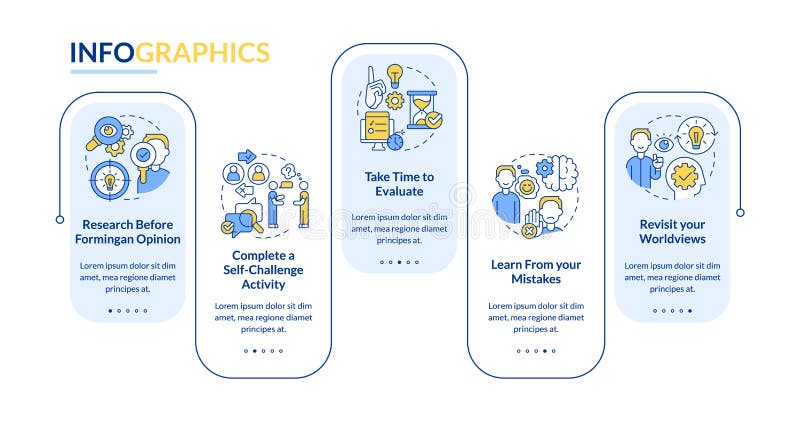
How to Avoid Biased Data
So, how can we avoid biased data and ensure that our demographic data is accurate and reliable? Here are a few strategies to consider:
- Use diverse and representative datasets
- Regularly audit and review data for bias
- Use multiple sources and methods to validate data
- Be aware of your own biases and assumptions
- Use data visualization techniques to identify patterns and trends
The Importance of Data Ethics
Data ethics is a critical component of demographic data ethics. It’s essential to consider the potential consequences of our actions and ensure that our data handling practices are transparent, accountable, and respectful. This includes ensuring that individuals have control over their own data, and that data is used in a way that is fair and just.
Conclusion
In conclusion, demographic data ethics is a complex and multifaceted issue. By understanding the risks of biased data, using strategies to avoid bias, and prioritizing data ethics, we can ensure that our data is accurate, reliable, and used responsibly. As we continue to rely on data to inform our decisions, it’s essential that we prioritize these principles and strive for a more just and equitable world.