Demographic Data on Race and COVID-19 Impact: A Matter of Fact
=====================================================
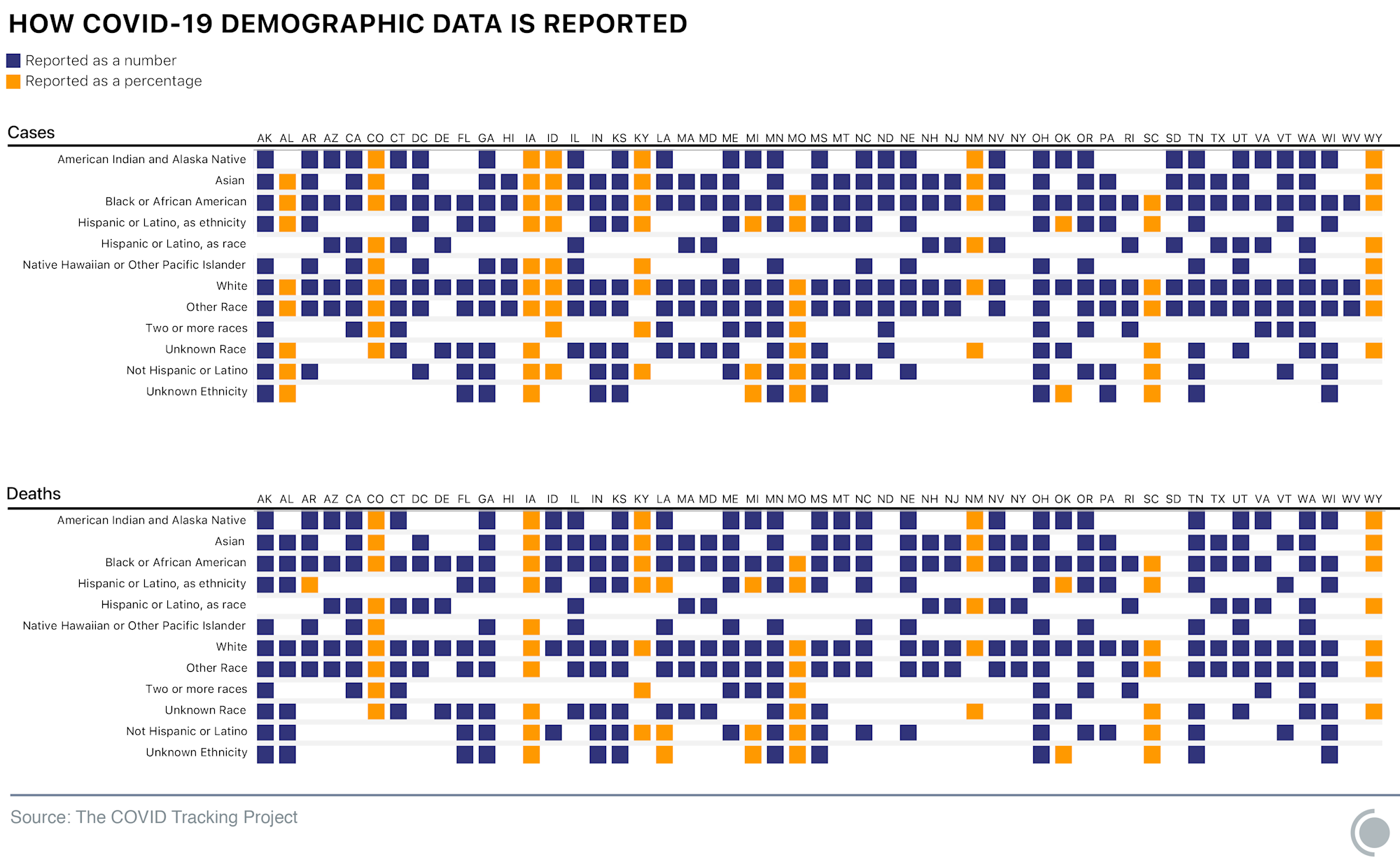
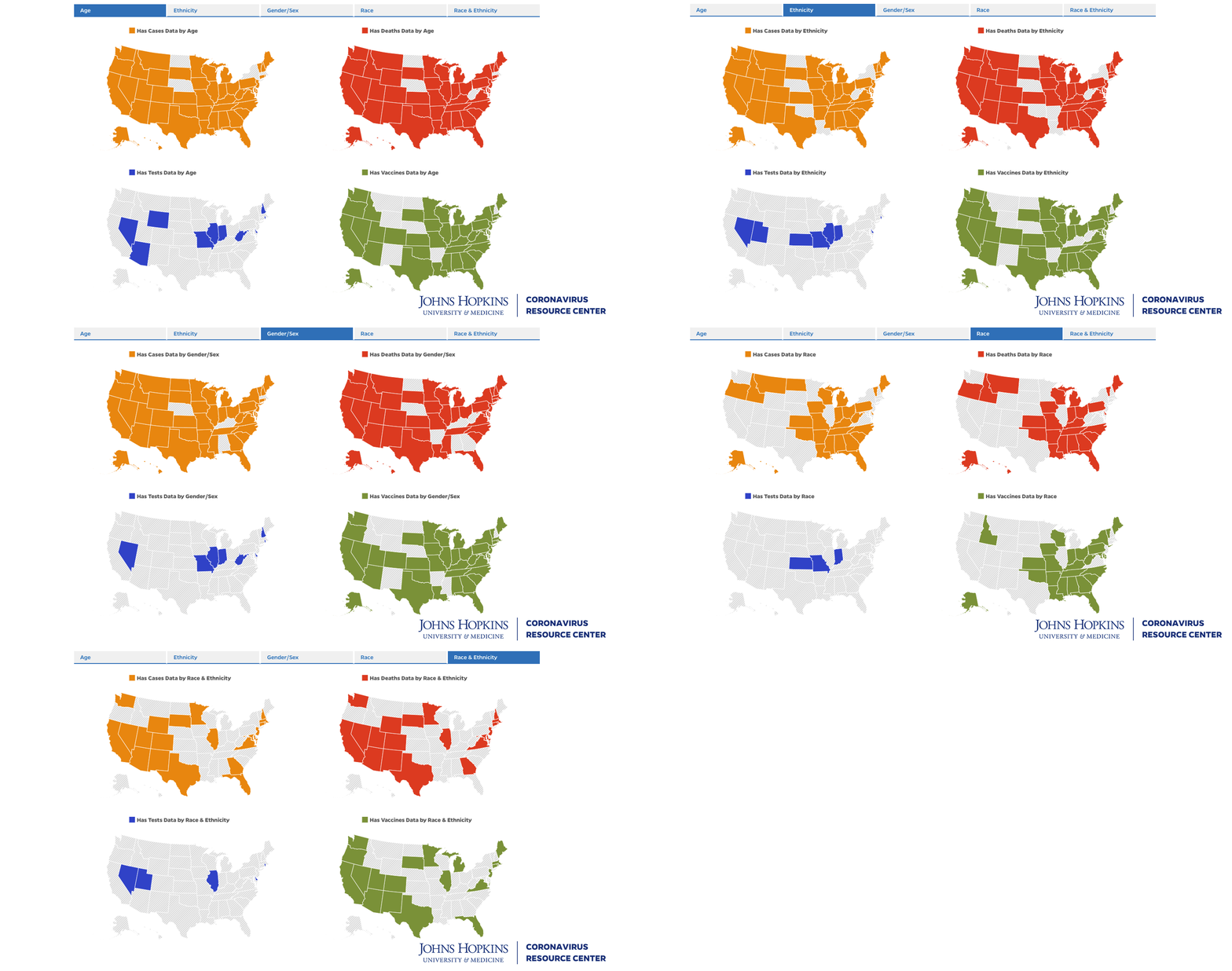
The COVID-19 pandemic has brought about unprecedented challenges to global health, economies, and societies. As the world continues to grapple with the virus, a crucial aspect of the pandemic’s impact is often overlooked: the disproportionate effect on certain demographic groups. In this article, we will delve into the demographic data on race and COVID-19’s impact, exploring the disparities that exist and the potential challenges that arise from these disparities.
### The Disparities in COVID-19’s Impact
The COVID-19 pandemic has highlighted the existing health and socioeconomic inequalities within societies. The data reveals that certain demographic groups, such as racial and ethnic minorities, are more likely to be affected by the pandemic. For instance, a study found that Black Americans are 2.5 times more likely to die from COVID-19 than White Americans. Similarly, a study in the United Kingdom discovered that Black and minority ethnic individuals are 1.5 times more likely to be hospitalized due to COVID-19 than White individuals.
### The Story Behind the Numbers
The numbers alone do not tell the full story. The disparities in COVID-19’s impact are often rooted in systemic and structural issues, such as limited access to healthcare, socioeconomic inequality, and discrimination. For instance, a study found that Black Americans are more likely to live in areas with limited healthcare resources, which can exacerbate the pandemic’s impact. Similarly, a study in the United States discovered that racial and ethnic minorities are more likely to work in essential industries, such as healthcare and transportation, which increases their risk of exposure to the virus.
### The Need for Data-Driven Solutions
The disparities in COVID-19’s impact underscore the need for data-driven solutions. By analyzing demographic data on race and COVID-19’s impact, policymakers and healthcare professionals can better understand the pandemic’s effects and develop targeted interventions. For instance, data can be used to identify areas with limited healthcare resources and allocate resources accordingly. Similarly, data can be used to develop culturally sensitive public health campaigns that address the unique needs of different demographic groups.
### Conclusion
The COVID-19 pandemic has brought about unprecedented challenges to global health, economies, and societies. The disparities in COVID-19’s impact on different demographic groups are a matter of fact, and it is essential that we acknowledge and address these disparities. By analyzing demographic data on race and COVID-19’s impact, we can develop data-driven solutions that address the unique needs of different demographic groups and ultimately mitigate the pandemic’s impact.