Race and Incarceration Rates: Demographic Data Analysis
In the United States, the issue of racial disparities in incarceration rates has been a long-standing concern. Despite efforts to address this issue, the numbers remain stark. According to recent data, African Americans are incarcerated at a rate nearly three times higher than that of whites, while Hispanics are incarcerated at a rate nearly double that of whites. These numbers are not only a reflection of the criminal justice system’s failures but also a symptom of deeper societal issues.
Understanding the Data
The data reveals a complex and multifaceted issue. On one hand, the numbers suggest that African Americans are disproportionately represented in the criminal justice system. On the other hand, the data also highlights the need for a more nuanced understanding of the issue. For instance, while African Americans are incarcerated at a higher rate than whites, they are not the only group disproportionately affected. Hispanics, for example, are also incarcerated at a rate significantly higher than that of whites.
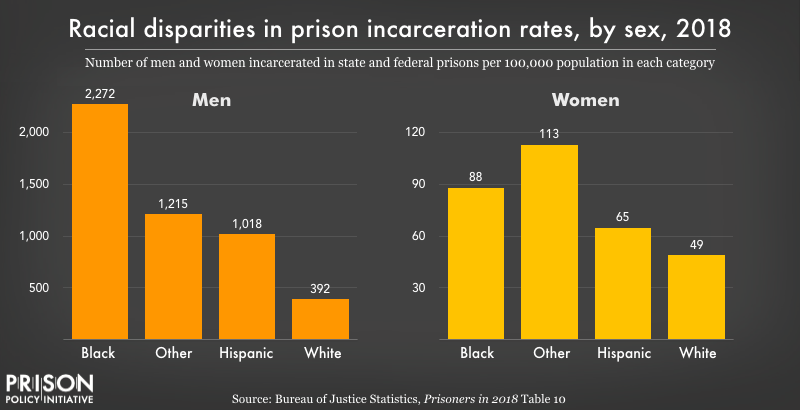
Furthermore, the data also suggests that the issue of racial disparities in incarceration rates is not limited to a single demographic group. Rather, it is a complex issue that affects multiple groups in different ways. For instance, while African Americans are incarcerated at a higher rate than whites, the data also suggests that Hispanics are incarcerated at a rate significantly higher than that of whites. This highlights the need for a more nuanced understanding of the issue and the need for a more comprehensive approach to addressing it.
The Root Causes of Racial Disparities in Incarceration Rates
So, what are the root causes of racial disparities in incarceration rates? The data suggests that a combination of factors contribute to these disparities. For instance, research has shown that African Americans are more likely to be stopped, searched, and arrested by law enforcement than whites. This is often referred to as “stop-and-frisk” policing, which can have a disproportionate impact on communities of color. Additionally, research has also shown that African Americans are more likely to be sentenced to prison for the same crime as a white person. This is often referred to as “sentencing disparity,” which can also have a disproportionate impact on communities of color.

Furthermore, the data also suggests that socioeconomic factors play a significant role in racial disparities in incarceration rates. For instance, research has shown that communities of color are more likely to be poor and have limited access to education and job opportunities. This can lead to a cycle of poverty and limited opportunities, which can increase the likelihood of involvement in the criminal justice system. Additionally, research has also shown that communities of color are more likely to be exposed to environmental toxins and other health hazards, which can also increase the likelihood of involvement in the criminal justice system.
Conclusion
In conclusion, the data on racial disparities in incarceration rates is complex and multifaceted. While the numbers suggest that African Americans are disproportionately represented in the criminal justice system, the data also highlights the need for a more nuanced understanding of the issue. The root causes of racial disparities in incarceration rates are varied and multifaceted, and addressing this issue will require a comprehensive approach that takes into account the complex interplay of socioeconomic, environmental, and criminal justice factors. By working together to address this issue, we can create a more just and equitable society for all.