Demographic Data on Return Migration (Back to Hometown)
There’s No Place Like (Close to) Home
The Pull of Hometown Roots
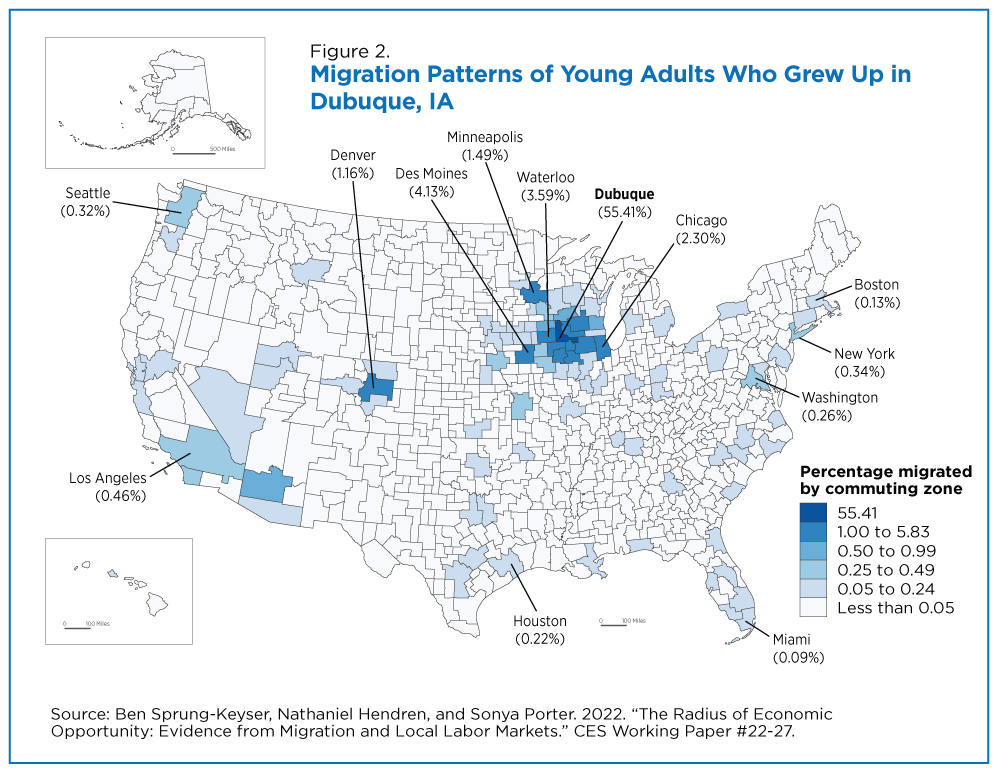
For many, the allure of hometown roots is a powerful draw. A recent study by the United States Census Bureau found that 44% of Americans have moved back to their hometown or a nearby area after living elsewhere. This trend, known as “return migration,” is on the rise, with more people opting to return to their roots in search of a sense of belonging and community.
Social, Economic Change Affect Decisions to Move Out of State
But what drives this trend? According to the Census Bureau, social and economic changes are key factors. As people’s lives and circumstances change, they may find themselves seeking a sense of familiarity and comfort in their hometown. This could be due to a range of factors, from family obligations to career changes or simply a desire to reconnect with their roots.

Increased Migration from Urban Areas Spurs Rural Population Growth
Another factor at play is the growing trend of migration from urban areas to rural areas. According to the United States Department of Agriculture’s Economic Research Service, increased migration from urban areas is spurring rural population growth. This shift is driven by a desire for a slower pace of life, a sense of community, and access to natural resources and outdoor activities.

The Unique Appeal of Hometown Roots
So, what is it about hometown roots that holds such appeal? For many, it’s a sense of belonging and connection to a place that is deeply ingrained in their identity. It’s a feeling of being “home,” where they can be themselves and feel a sense of comfort and security. Whether it’s the familiarity of family and friends, the comfort of a well-known landscape, or the sense of community that comes with being part of a tight-knit group, hometown roots have a unique appeal that is hard to replicate elsewhere.