Gender and Life Expectancy Gaps: 2026 Data
Introduction
As the world grapples with the complexities of modern life, one crucial aspect that often goes unnoticed is the disparity in life expectancy between genders. While significant strides have been made in improving overall life expectancy, the gap between men and women remains a pressing concern. In this article, we will delve into the 2026 data, exploring the trends, patterns, and potential challenges that arise from this disparity.
The Current State of Affairs
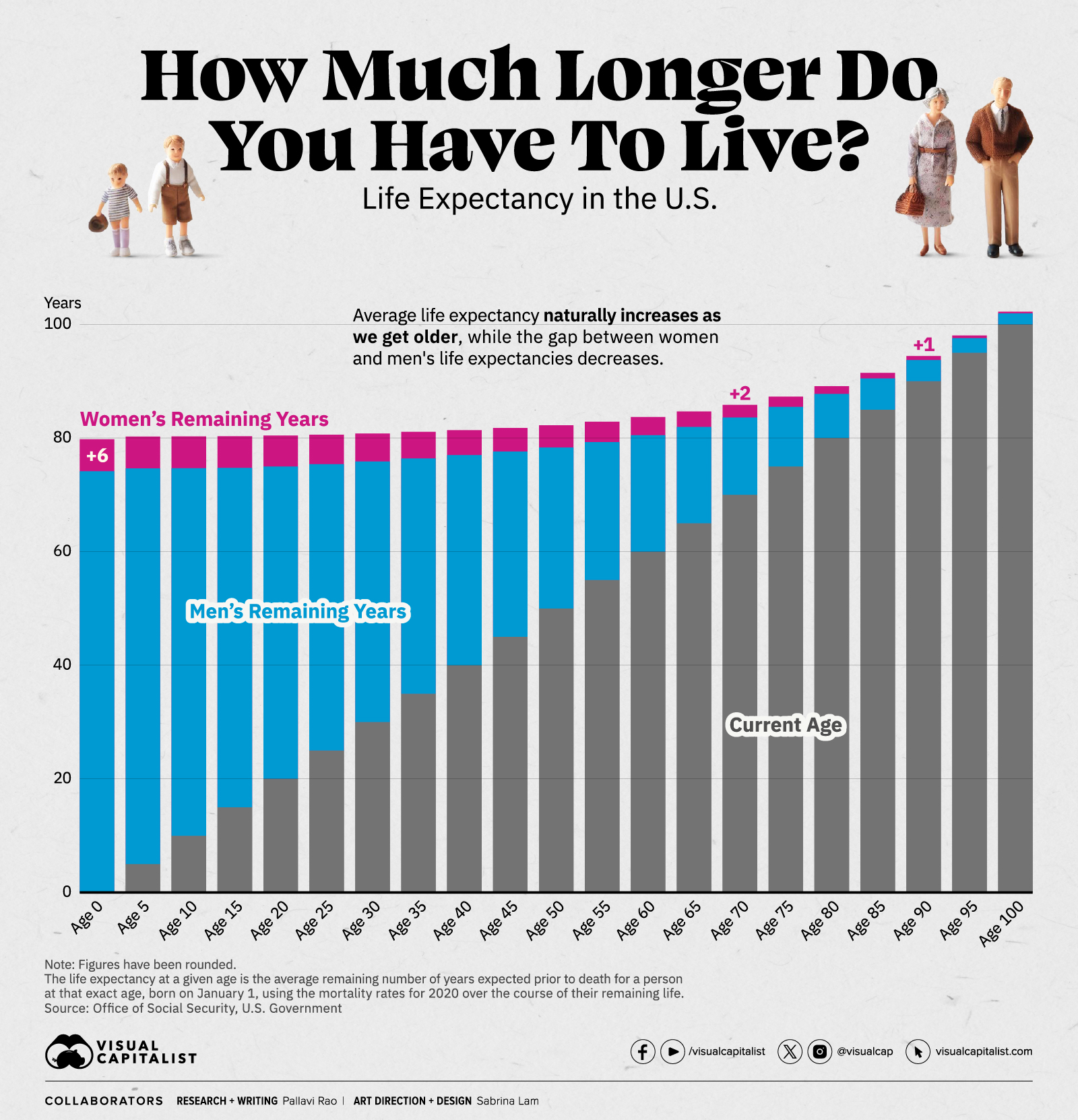
According to the latest data, the average life expectancy for men stands at 74.5 years, while women can expect to live for an average of 81.1 years. This 6.6-year gap may seem relatively small, but it has far-reaching implications for individuals, families, and societies as a whole. The disparity is not limited to developed countries, with even more pronounced differences in developing nations.
The Smallest Gender Wage Gaps in OECD Countries
A closer examination of the data reveals that the smallest gender wage gaps are often accompanied by the smallest life expectancy gaps. This correlation is not coincidental, as the economic empowerment of women has been shown to have a direct impact on their overall well-being and life expectancy. Conversely, the persistence of gender wage gaps can perpetuate the life expectancy gap, creating a self-reinforcing cycle.
Potential Challenges and Solutions
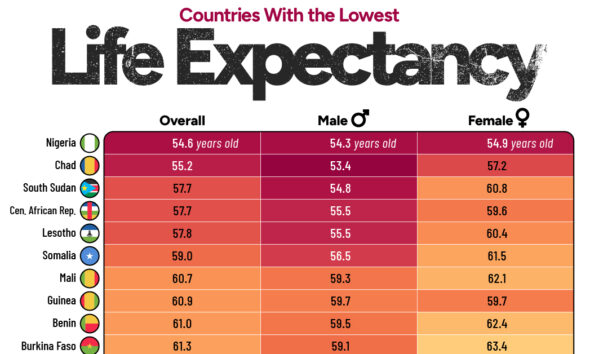
The life expectancy gap poses a significant challenge to policymakers, healthcare providers, and individuals alike. To address this issue, it is essential to tackle the root causes, including gender-based wage disparities, limited access to healthcare, and societal attitudes that perpetuate gender stereotypes. By implementing targeted interventions, such as education and job training programs, and promoting gender equality, we can begin to bridge the life expectancy gap.
Conclusion
The 2026 data on gender and life expectancy gaps paints a complex picture, highlighting the need for a multifaceted approach to address this pressing issue. By acknowledging the disparity and working towards its elimination, we can create a more equitable and just society, where every individual has the opportunity to thrive and reach their full potential. As we move forward, it is crucial to prioritize the empowerment of women, promote gender equality, and challenge the status quo to ensure a brighter future for all.