Demographic Data on Suburban-to-Urban Movers: A Shift in Perspective
As the world becomes increasingly urbanized, it is essential to understand the demographic trends that shape our cities. The shift from suburban to urban living is a phenomenon that has been gaining momentum in recent years. In this article, we will delve into the demographic data that highlights the significance of this trend and its implications for urban planning and development.
The Rise of Urbanization
According to the United Nations, more than 50% of the world’s population now lives in urban areas. This trend is expected to continue, with the UN projecting that by 2050, 66% of the world’s population will reside in cities. The shift from suburban to urban living is a key aspect of this trend, with many people opting for the convenience, amenities, and cultural opportunities that cities offer.

Demographic Trends
Demographic data reveals that the shift from suburban to urban living is not limited to any particular age group or socioeconomic class. In fact, people from all walks of life are making the move to cities, driven by factors such as job opportunities, education, and lifestyle choices. According to a study by the Pew Research Center, 44% of Americans aged 18-29 prefer urban living, while 31% of those aged 30-49 and 24% of those aged 50-64 also prefer urban areas.
Urbanization and the Economy
The shift from suburban to urban living has significant implications for the economy. Cities are often hubs of economic activity, with many industries and businesses concentrated in urban areas. According to a report by the Brookings Institution, cities generate 30% of the world’s GDP, despite accounting for only 2% of the world’s land area. The shift to urban living is likely to drive economic growth, as people and businesses are drawn to the opportunities and amenities that cities offer.
Challenges and Opportunities
While the shift from suburban to urban living presents many opportunities, it also poses significant challenges. Cities must be able to accommodate the influx of new residents, providing adequate housing, transportation, and infrastructure. Additionally, cities must address issues such as poverty, inequality, and social isolation, which can be exacerbated by the shift to urban living. However, with careful planning and management, cities can also capitalize on the opportunities presented by this trend, creating vibrant, sustainable, and inclusive communities.
Conclusion
The shift from suburban to urban living is a demographic trend that is likely to continue in the coming years. As cities become increasingly important hubs of economic activity, it is essential to understand the demographic data that shapes our cities. By doing so, we can better plan for the future, creating cities that are sustainable, inclusive, and vibrant for all residents.
References
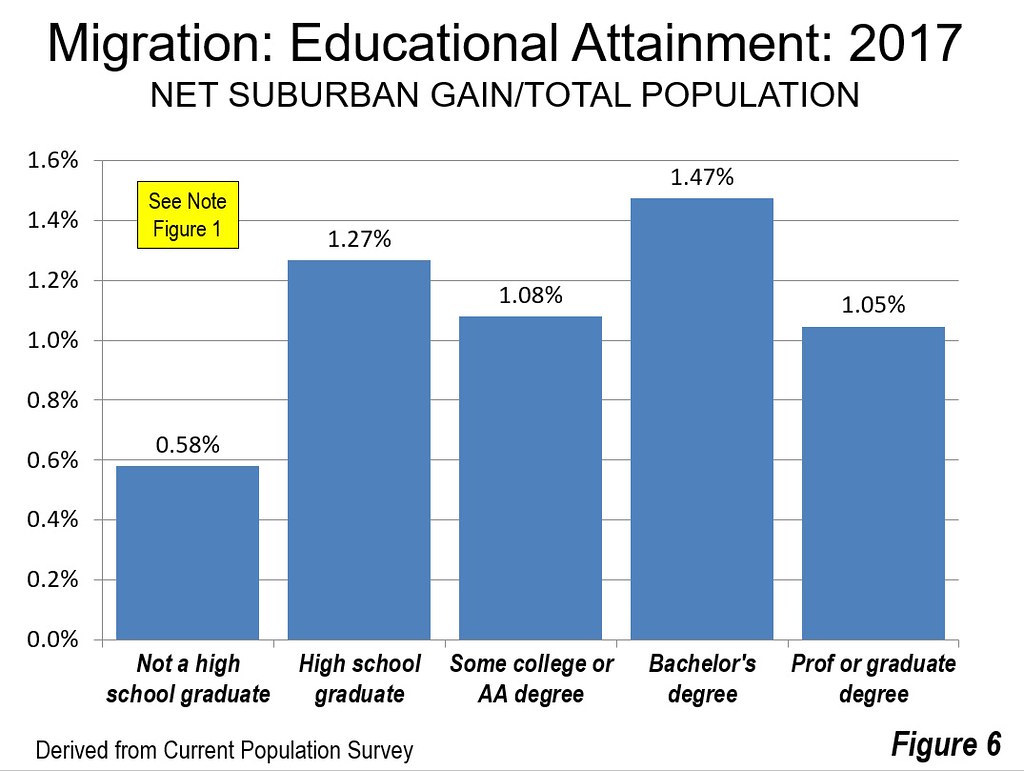
Newgeography.com. (2017). Pervasive Suburbanization: The 2017 Data. Retrieved from https://c1.staticflickr.com/1/943/28409713368_7ed99b6e1a_b.jpg
Urban-movers.ca. (2024). Save up to $250 on Every move with US Urban-movers. Retrieved from https://urban-movers.ca/wp-content/uploads/2024/01/286A7804-scaled.jpg
