Demographic Data in Thailand: Rapid Aging
Thailand is facing a demographic shift that is redefining the country’s economic, social, and cultural landscape. The rapid aging of its population is a phenomenon that is not only unique to Thailand but also has far-reaching implications for the nation’s future.
Aging Population: A New Reality
According to the United Nations, Thailand’s population is projected to reach 69 million by 2025, with 20% of its citizens aged 65 and above. This rapid aging is driven by a combination of factors, including a declining total fertility rate, increased life expectancy, and a significant reduction in the number of children being born.
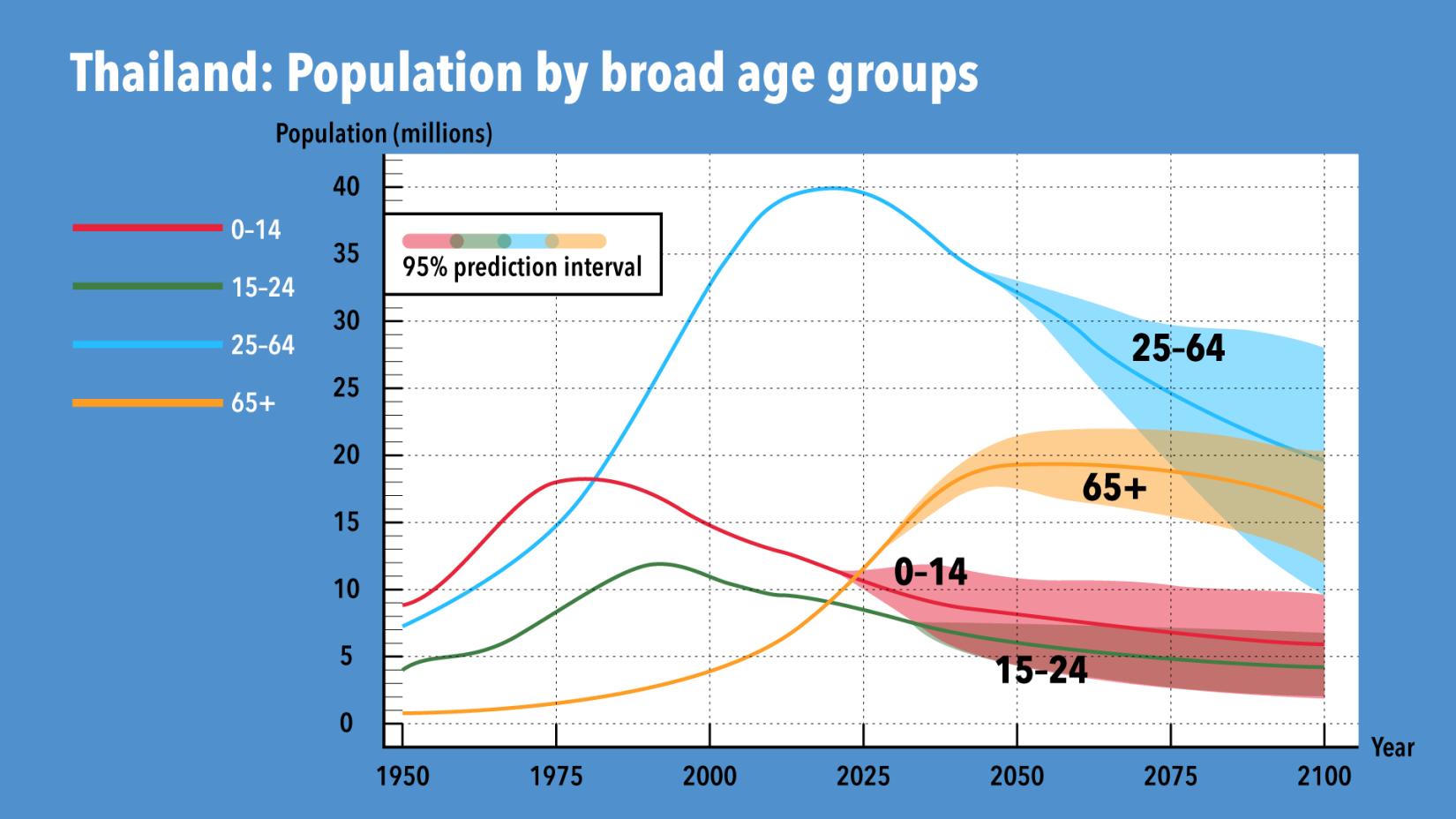
This demographic shift is not only a challenge but also an opportunity for Thailand to re-evaluate its priorities and strategies. As the country’s population ages, there is a growing need for innovative solutions that cater to the needs of an increasingly elderly population.
Implications for the Economy
The rapid aging of Thailand’s population is expected to have significant implications for the country’s economy. With a shrinking workforce and an increasing number of retirees, the government will need to find ways to maintain economic growth and stability.

One potential solution is to encourage older workers to remain in the workforce, which could help to mitigate the impact of a shrinking workforce. Additionally, the government may need to consider increasing social security benefits and healthcare services to support the growing number of retirees.
Implications for Society
The rapid aging of Thailand’s population is also expected to have significant implications for society. With a growing number of older citizens, there is a need for more age-friendly communities, transportation, and healthcare services.
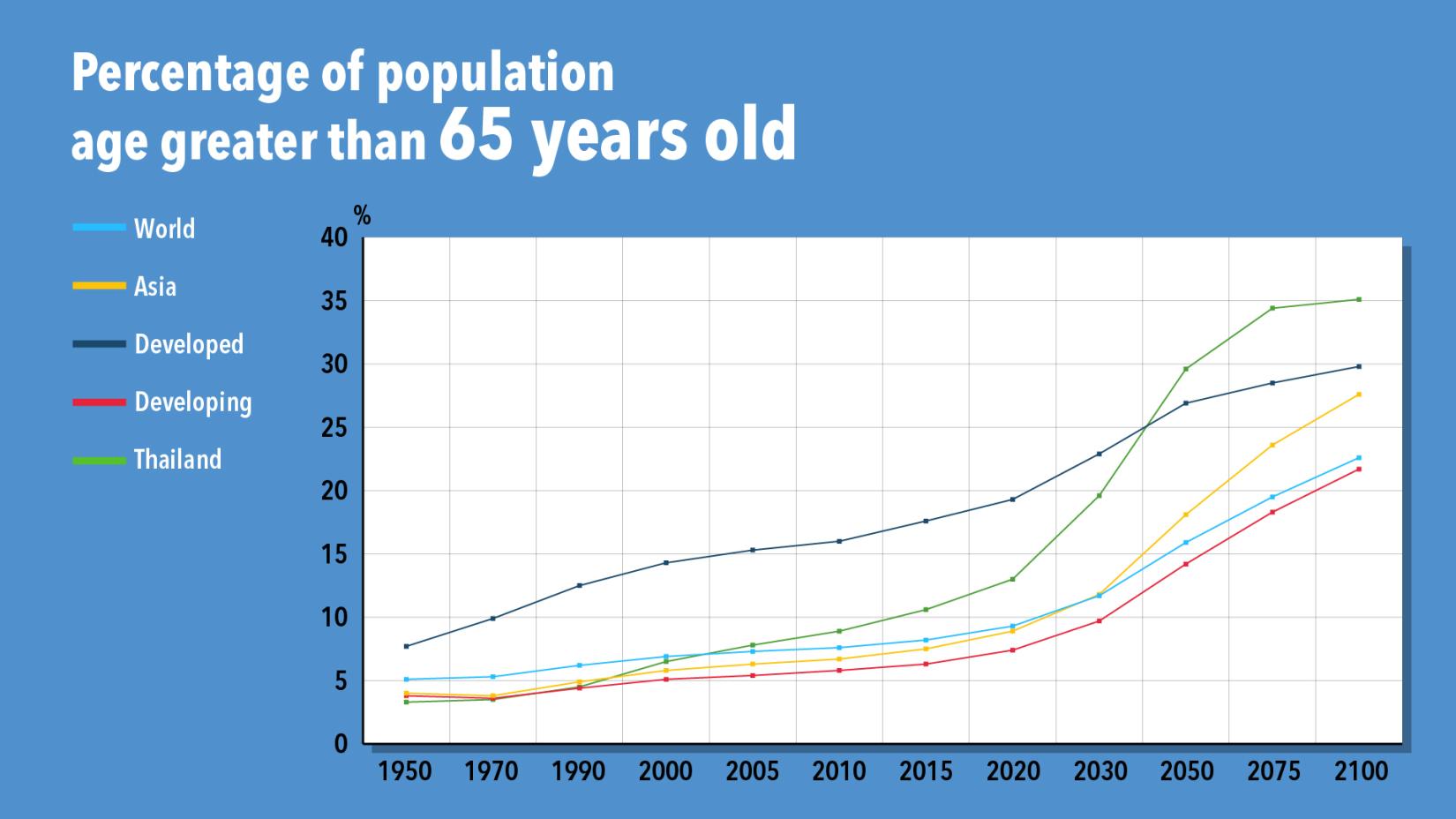
As the population ages, there is a growing need for intergenerational connections and a sense of community. This could be achieved through initiatives that bring together people of different ages and backgrounds, such as volunteer programs, community centers, and cultural events.
Conclusion
The rapid aging of Thailand’s population is a complex issue that requires a multifaceted approach. While it presents challenges, it also offers opportunities for innovation, creativity, and social change. As the country navigates this demographic shift, it is essential to prioritize the needs of its citizens, particularly the elderly, and to create a society that is age-friendly and inclusive.