Great Plains Demographic Data: Population Loss
The Great Plains region, spanning across the United States and Canada, has long been a hub of agricultural and economic activity. However, a recent trend has emerged, threatening the very fabric of this region: population loss.
The Demographic Shift
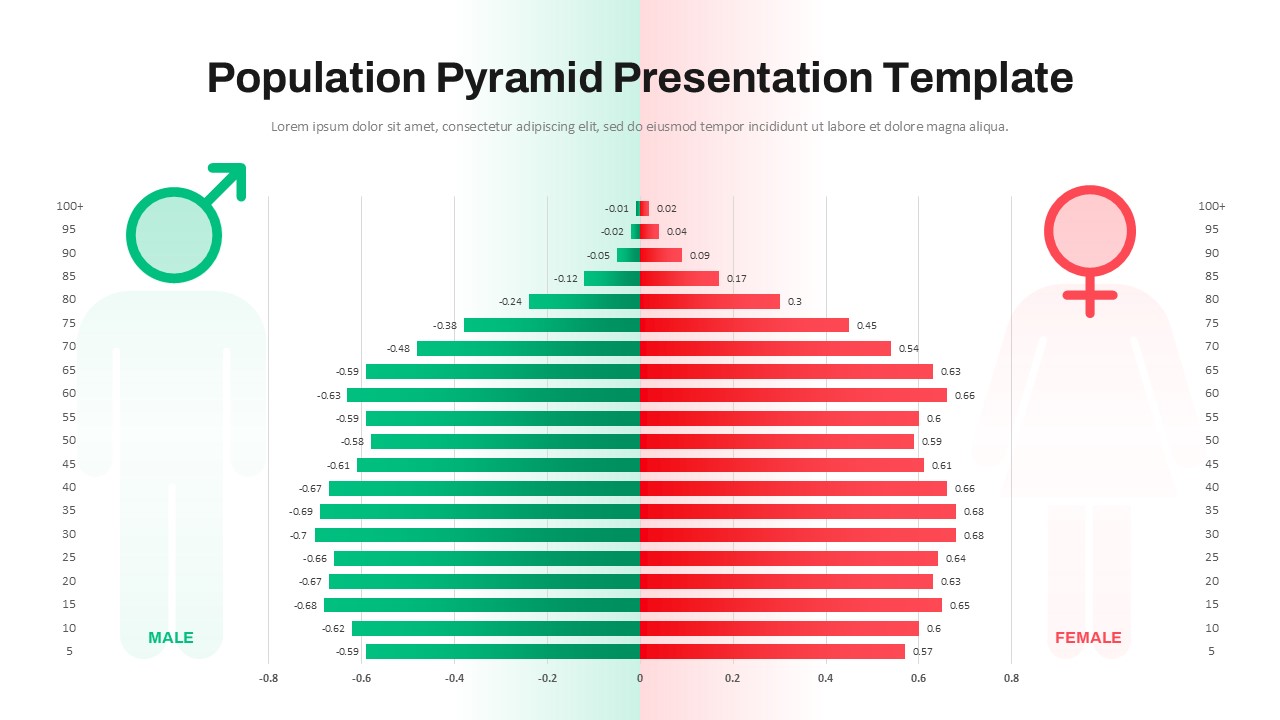
According to recent studies, the Great Plains region is experiencing a significant decline in population. This trend is not limited to a single state or province, but is a widespread phenomenon affecting multiple areas. The reasons behind this shift are complex and multifaceted, but some common factors include:
- Urbanization: Many young people are leaving rural areas to pursue better job opportunities and educational prospects in urban centers.
- Aging population: The region’s aging population is also contributing to the decline, as older individuals retire and move to areas with more amenities and services.
- Lack of job opportunities: Limited job opportunities, particularly in the agricultural sector, are driving young people to seek better prospects elsewhere.
The Consequences of Population Loss
The consequences of population loss in the Great Plains region are far-reaching and have significant implications for local economies, communities, and governments. Some of the key effects include:
- Economic decline: As the population declines, so does the economic activity, leading to reduced revenue and limited job opportunities.
- Loss of community: The decline of local businesses and services can lead to a sense of isolation and disconnection among community members.
- Strain on public services: With a decreasing population, public services such as healthcare, education, and infrastructure maintenance may struggle to meet the needs of the remaining residents.
What’s Next?
As the Great Plains region grapples with the challenges of population loss, it is essential to adopt a proactive approach to address these issues. Some potential solutions include:
- Investment in education and job training: Providing young people with the skills and knowledge they need to succeed in the modern economy can help retain them in the region.
- Infrastructure development: Improving local infrastructure, such as transportation networks and community facilities, can make the region more attractive to new residents and businesses.
- Community engagement: Fostering a sense of community and encouraging local involvement can help build resilience and adaptability in the face of change.
By acknowledging the demographic shift and addressing its consequences, the Great Plains region can work towards a brighter future, one that balances economic growth with community development and environmental sustainability.
Additional Resources
For more information on the demographic trends and challenges facing the Great Plains region, please refer to the following resources:
- PPT – The Demographic Future of the Great Plains PowerPoint
- PPT – The Demographic Future of the Great Plains PowerPoint