Demographic Data in Small Island Developing States (SIDS)
As we gaze out at the crystal-clear waters of the Caribbean, or the sun-kissed beaches of the Pacific, it’s hard not to wonder: what’s the story behind these tiny, yet mighty, islands?
Population Dynamics: A Delicate Balance
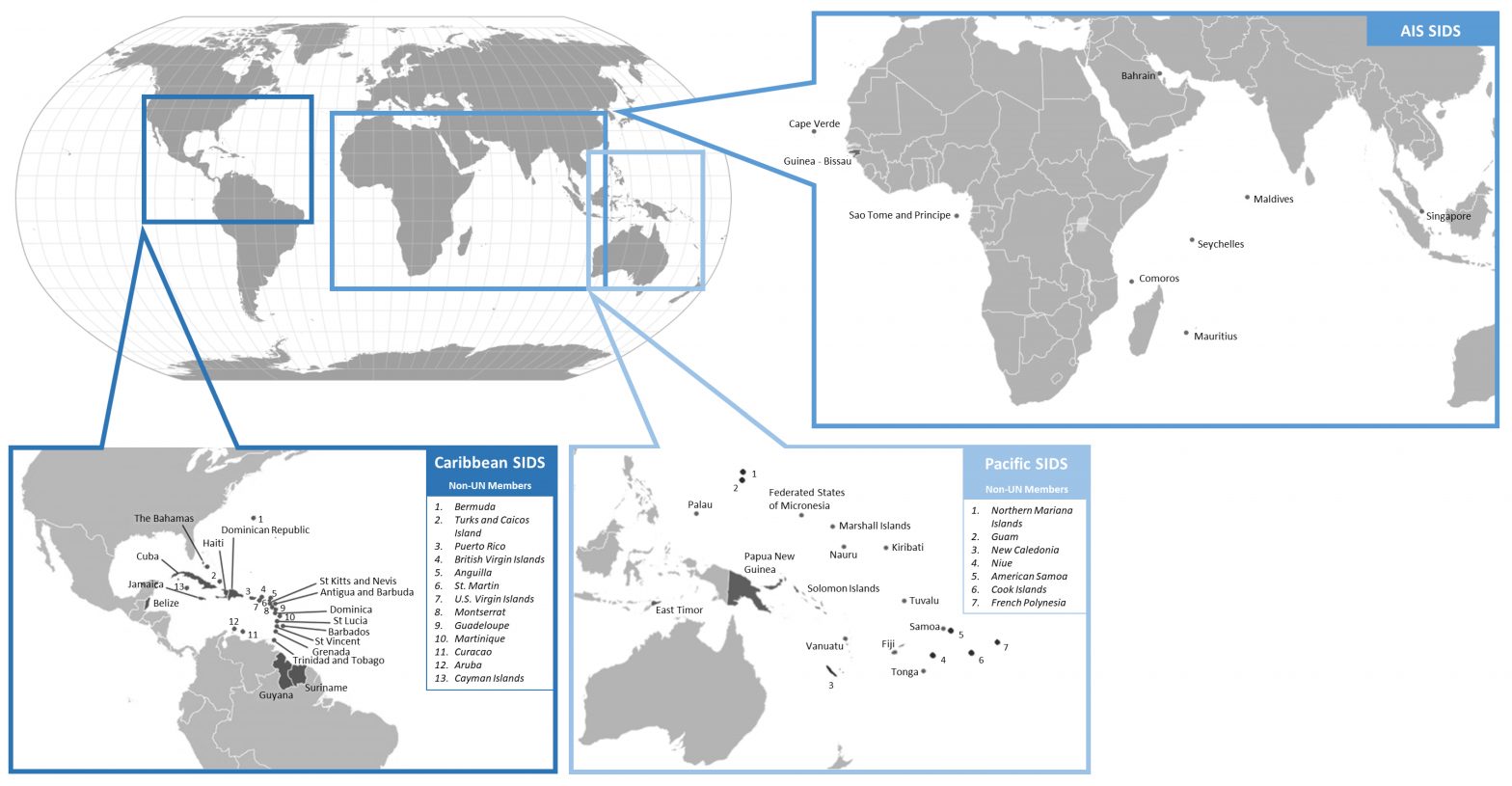
Small Island Developing States (SIDS) are often characterized by their small population sizes, with some having fewer than 100,000 inhabitants. This can make them vulnerable to external shocks, such as economic downturns or natural disasters. For instance, the tiny island nation of Nauru, with a population of just over 11,000, is heavily reliant on fishing and phosphate mining, making it susceptible to fluctuations in global commodity prices.

On the other hand, some SIDS have seen rapid population growth, driven by factors such as urbanization and migration. For example, the Maldives, with a population of around 430,000, has experienced significant growth in recent years, largely due to its popularity as a tourist destination.
Age Structure: A Challenge for the Future
Another demographic challenge facing SIDS is their age structure. Many of these countries have a high proportion of young people, which can put pressure on social services, education, and healthcare systems. In the Marshall Islands, for instance, over 40% of the population is under the age of 15, making it crucial to invest in education and healthcare infrastructure to support this growing demographic.
However, this youthful population can also be a blessing in disguise. With the right support and investment, these young people can become the driving force behind economic growth and development in their respective countries.
Migration and Remittances: A Lifeline for Some
For many SIDS, migration has become a vital source of income and a means of supporting families back home. Remittances from abroad can account for a significant portion of a country’s GDP, as seen in the case of the Philippines, where remittances from overseas workers make up around 10% of the country’s GDP.
However, this reliance on remittances can also create vulnerabilities, particularly if global economic conditions were to change. It’s crucial for SIDS to diversify their economies and invest in sustainable development projects to reduce their dependence on remittances.
Conclusion: A Call to Action
As we reflect on the demographic data of SIDS, it’s clear that these tiny islands face unique challenges. However, it’s also evident that with the right support and investment, they can thrive and become beacons of hope for a more sustainable and equitable future. It’s time for us to take action and work together to address these challenges, empowering SIDS to reach their full potential.