Demographic Data in Colombia: Internal Displacement
Colombia, a country known for its rich cultural heritage and stunning natural beauty, has been grappling with a pressing issue: internal displacement. The numbers are staggering, with millions of people forced to flee their homes due to conflict, violence, and human rights violations. But what does this mean for the country’s demographics, and what are the implications for its future?
A Shift in Perspective
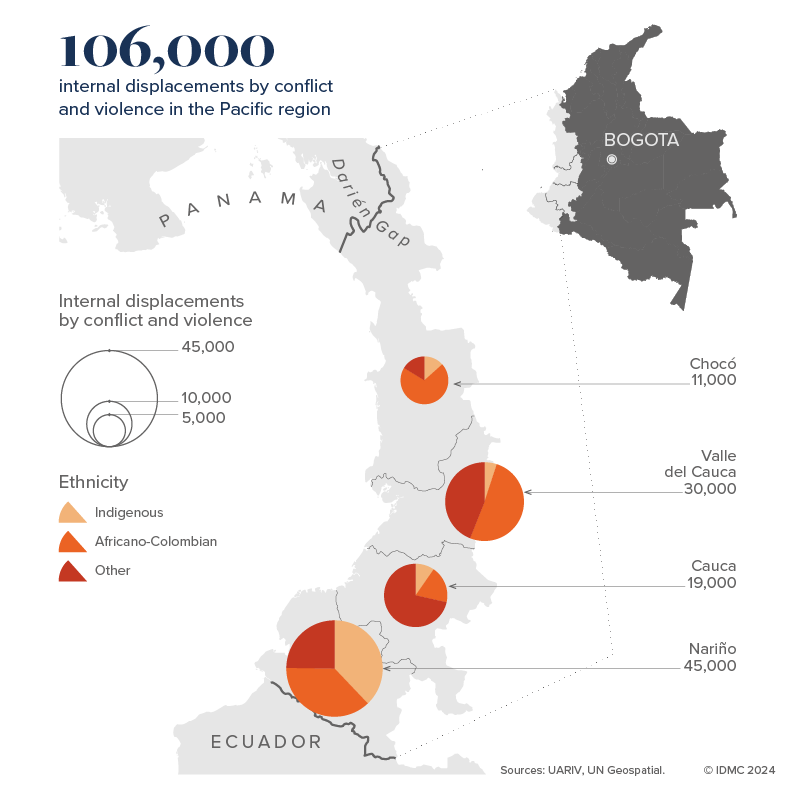
Traditionally, Colombia’s internal displacement crisis has been viewed through the lens of conflict and violence. However, a closer examination of the data reveals a more complex picture. According to the Internal Displacement Monitoring Centre (IDMC), the majority of internally displaced persons (IDPs) in Colombia are women and children. This shift in perspective is crucial, as it highlights the disproportionate impact of displacement on vulnerable populations.
The Human Cost of Displacement
Internal displacement is not just a numbers game; it has a devastating human cost. IDPs are often forced to live in precarious conditions, with limited access to basic services such as healthcare, education, and sanitation. This can have long-term effects on their physical and mental health, as well as their overall well-being. The IDMC estimates that over 70% of IDPs in Colombia are living in poverty, with many struggling to access even the most basic necessities.
Urban Displacement: A Growing Concern
Colombia’s urban areas are also feeling the impact of internal displacement. Cities like Bogotá and Medellín are struggling to accommodate the influx of IDPs, who often arrive with little more than the clothes on their backs. This has put a strain on local resources, including housing, healthcare, and education. The IDMC reports that over 40% of IDPs in Colombia are now living in urban areas, a trend that is expected to continue in the coming years.

The Last Refuge: Urban Displacement in Colombia
For many IDPs, urban areas are their last refuge. The IDMC’s report, “The Last Refuge: Urban Displacement in Colombia,” sheds light on the experiences of IDPs in Colombia’s cities. The report highlights the challenges faced by IDPs, including limited access to housing, healthcare, and education, as well as the psychological toll of displacement. It also explores the role of urban planning in addressing the needs of IDPs, and the importance of community-based initiatives in supporting their integration into urban areas.
A Call to Action
Colombia’s internal displacement crisis is a complex issue that requires a multifaceted approach. It is essential that the government, civil society, and international organizations work together to address the root causes of displacement, provide support to IDPs, and promote their integration into urban areas. By doing so, we can help to build a more equitable and just society, where all individuals have the opportunity to thrive.