Demographic Data on Food Stamp (SNAP) Recipients: A Comprehensive Overview
The Supplemental Nutrition Assistance Program (SNAP), also known as food stamps, is a vital social safety net program in the United States. With over 40 million participants, it is essential to understand the demographic characteristics of those who rely on this program for sustenance. In this article, we will delve into the various aspects of SNAP recipients, exploring their geographic distribution, age, gender, and other relevant factors.
Geographic Distribution of SNAP Recipients
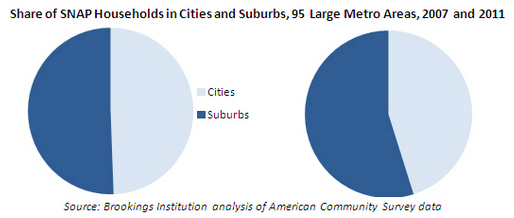
According to the data, a significant proportion of SNAP recipients reside in suburban areas. In fact, over 50% of these individuals live in the suburbs, a finding that challenges the common perception of food stamp recipients as urban dwellers. This demographic shift is a testament to the program’s adaptability and ability to reach a broader audience.
Age and Gender Distribution of SNAP Recipients
The data also reveals that the majority of SNAP recipients are women, with a slight majority (55%) falling within the 25-54 age range. This demographic is often referred to as the “working poor,” as they are employed but struggle to make ends meet. The remaining 45% of recipients are either children, the elderly, or individuals with disabilities, highlighting the program’s importance in supporting vulnerable populations.
Changes in SNAP Recipients Over Time
A recent trend has emerged, with a significant decrease in the number of SNAP recipients. According to the data, over 2 million individuals have ceased to receive benefits, a finding that may be attributed to various factors, including changes in economic conditions, policy adjustments, or shifts in demographic characteristics. This trend warrants further examination to better understand its implications for the program’s future direction.

Conclusion
In conclusion, the demographic data on SNAP recipients paints a complex and multifaceted picture. From the geographic distribution of recipients to the age and gender breakdown, this program is a vital component of the social safety net. As we continue to navigate the challenges of poverty, hunger, and economic inequality, it is essential to understand the needs and characteristics of those who rely on SNAP for sustenance. By doing so, we can work towards a more effective and targeted approach to addressing these pressing issues.