Demographic data has become an indispensable tool for decision-making in various industries. With the abundance of data available, it can be overwhelming to sift through and make sense of it all. In this article, we will explore the importance of demographic data for decision-making, highlighting real-world examples and providing insights on how to effectively utilize this data.
What is Demographic Data?
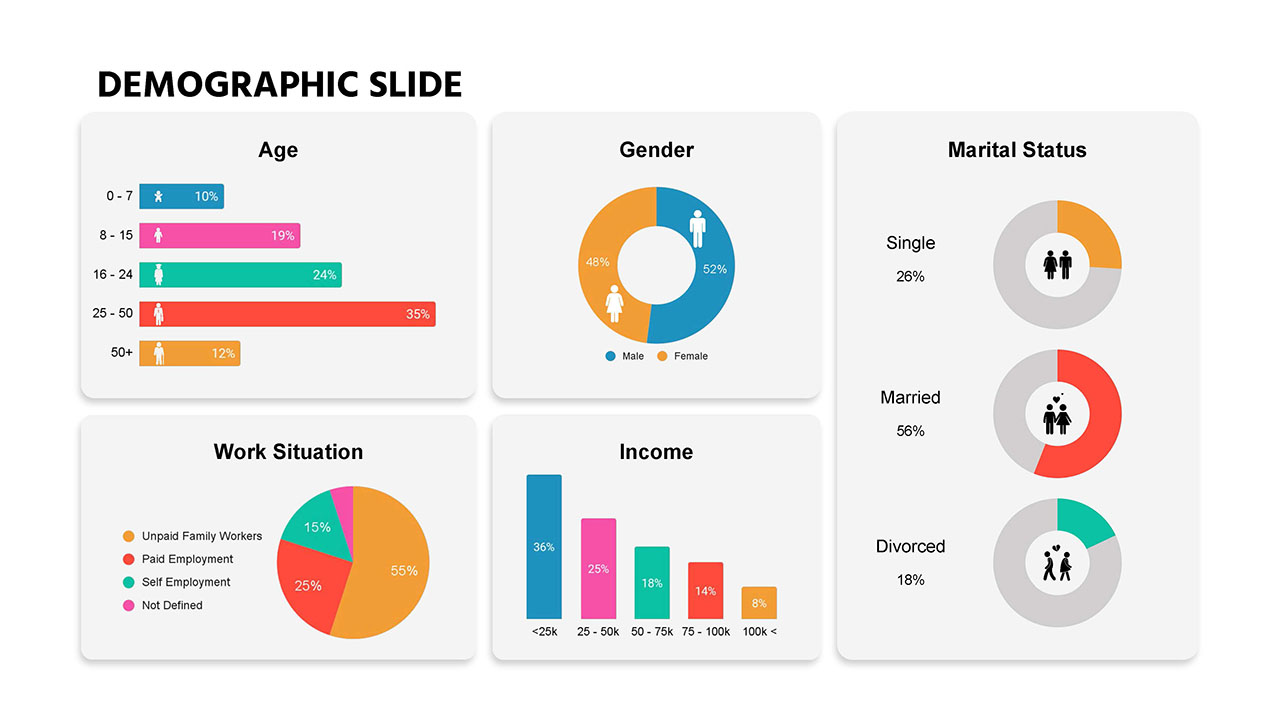
Demographic data refers to the statistical information about a population, including characteristics such as age, gender, location, and other relevant details. This data is crucial for businesses, organizations, and governments to make informed decisions, as it provides a snapshot of the target audience or market.
Why is Demographic Data Important for Decision-Making?
Demographic data is essential for decision-making as it helps organizations understand their target audience, identify trends, and make data-driven decisions. With demographic data, businesses can:
* Identify the most profitable customer segments
* Develop targeted marketing campaigns
* Optimize product offerings and pricing strategies
* Improve customer service and support
* Enhance operational efficiency
Real-World Examples of Demographic Data in Action
Here are a few real-world examples of how demographic data has been used to inform decision-making:
* A retail company uses demographic data to identify the most profitable customer segments, allowing them to tailor their marketing efforts and product offerings to meet the needs of these high-value customers.
* A healthcare organization uses demographic data to identify trends in patient demographics, enabling them to develop targeted health initiatives and improve patient outcomes.
* A financial institution uses demographic data to identify high-risk customer segments, allowing them to develop targeted risk management strategies and improve customer satisfaction.
Best Practices for Working with Demographic Data
When working with demographic data, it is essential to follow best practices to ensure accuracy, reliability, and effectiveness. Here are a few key considerations:
* Ensure data quality and integrity by verifying the accuracy of the data and removing any errors or inconsistencies.
* Use data visualization tools to help identify trends and patterns in the data.
* Use statistical analysis to identify correlations and relationships between different demographic variables.
* Use data to inform decision-making, rather than relying on intuition or anecdotal evidence.
Conclusion
In conclusion, demographic data is a powerful tool for decision-making, providing organizations with valuable insights into their target audience and market. By understanding the importance of demographic data and following best practices for working with it, businesses can make data-driven decisions that drive success. Remember, demographic data is not just a numbers game – it’s about understanding your audience and making informed decisions that drive results.