Wealth vs. Income: Demographic Data Differences
Wealth and income are two distinct concepts that are often used interchangeably, but they have significant differences in terms of their measurement, distribution, and impact on individuals and societies. This article will delve into the demographic data differences between wealth and income, exploring the various types of content readers can expect.
Defining Wealth and Income
Wealth refers to the total value of an individual’s assets, including property, investments, and other financial resources. On the other hand, income is the amount of money an individual earns from their employment or other sources. While income is a measure of an individual’s earnings, wealth is a measure of their overall financial well-being.
Income Inequality
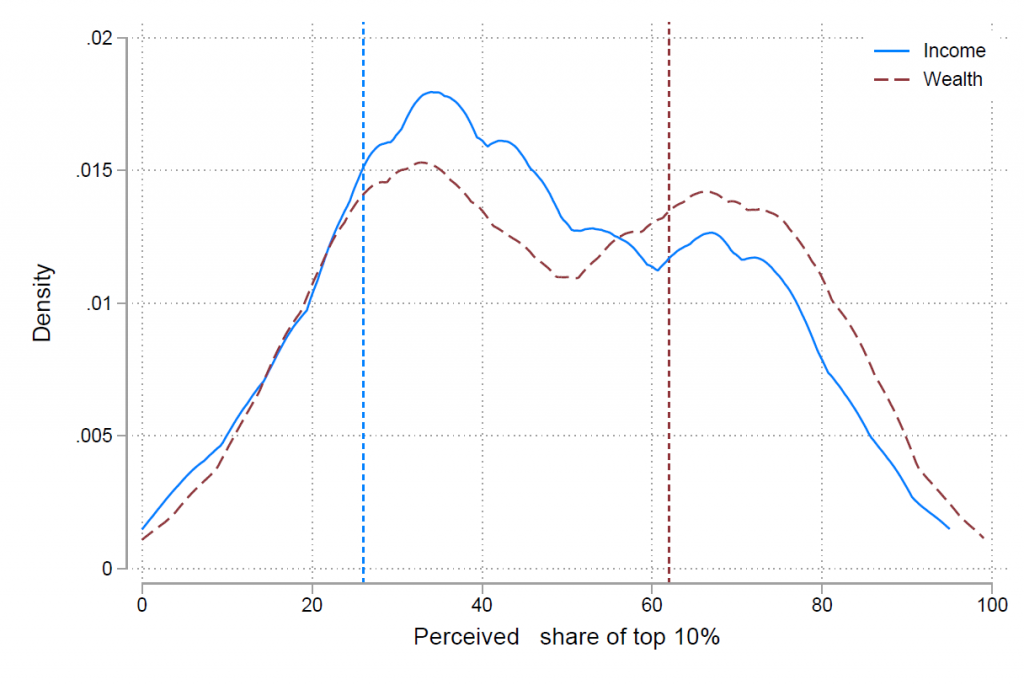
Income inequality refers to the unequal distribution of income within a society. This can be measured by the Gini coefficient, which ranges from 0 (perfect equality) to 1 (perfect inequality). In the United States, for example, the Gini coefficient is around 0.4, indicating a significant level of income inequality.
Racial Wealth Gap
The racial wealth gap refers to the significant disparities in wealth between different racial and ethnic groups. In the United States, for example, the median wealth of white households is around $150,000, while the median wealth of black households is around $17,000. This gap is a result of historical and ongoing systemic inequalities, including discriminatory policies and practices.

Balance Sheet vs. Income Statement
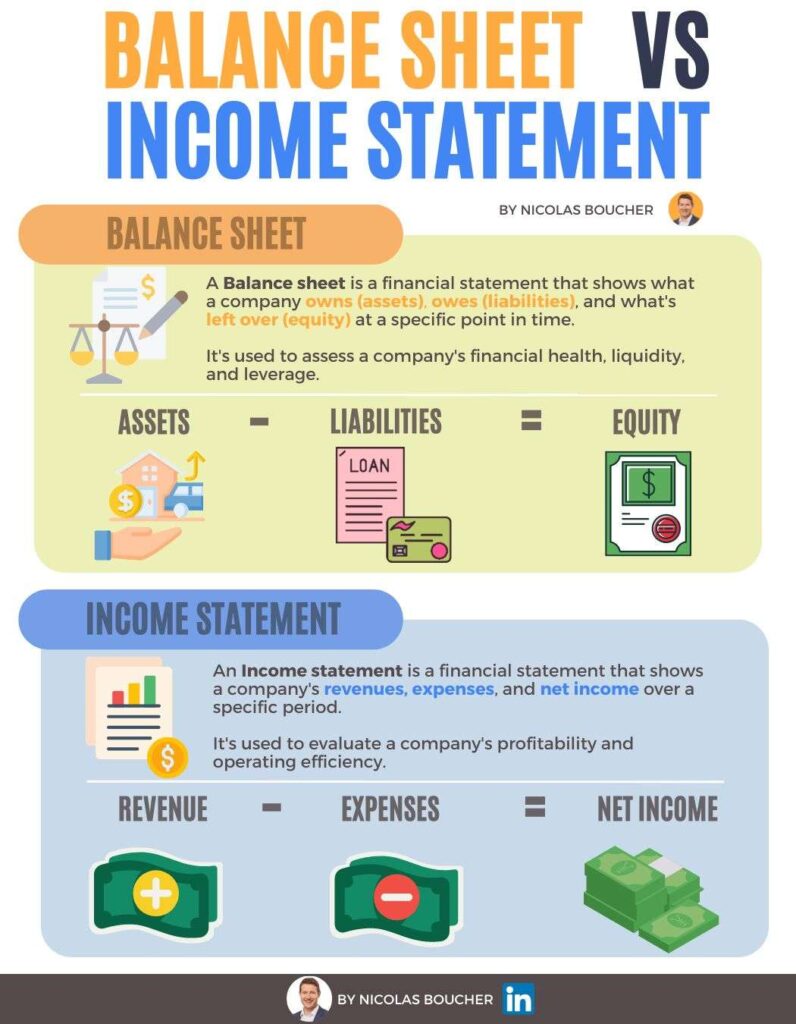
A balance sheet is a financial statement that provides a snapshot of an individual’s or organization’s financial position at a specific point in time. It lists their assets, liabilities, and equity. An income statement, on the other hand, is a financial statement that provides a snapshot of an individual’s or organization’s financial performance over a specific period of time. While an income statement can provide insights into an individual’s or organization’s financial performance, a balance sheet can provide a more comprehensive picture of their financial position.
Conclusion
In conclusion, wealth and income are two distinct concepts that have significant differences in terms of their measurement, distribution, and impact on individuals and societies. Understanding these differences is crucial for policymakers, business leaders, and individuals to develop effective strategies for addressing income inequality and promoting financial well-being. By exploring the demographic data differences between wealth and income, we can gain a deeper understanding of the complex issues surrounding these concepts and work towards creating a more equitable society.