Northern Border Demographic Data (Canada-U.S.)
The northern border of the United States and Canada is a region of great cultural and economic significance. It is a place where two nations meet, and where the rhythms of their daily lives are intertwined. In this article, we will explore the demographic data of this region, highlighting the unique appeal of this border and the fascinating facts that make it so.
The Border: A Bridge Between Two Worlds
The northern border of the United States and Canada is a 8,891-kilometer (5,525-mile) long stretch of land that separates two nations. It is a region of great cultural and economic significance, with a rich history of trade, commerce, and cultural exchange. The border is a bridge between two worlds, connecting the United States to Canada and the rest of the world.
Population Density
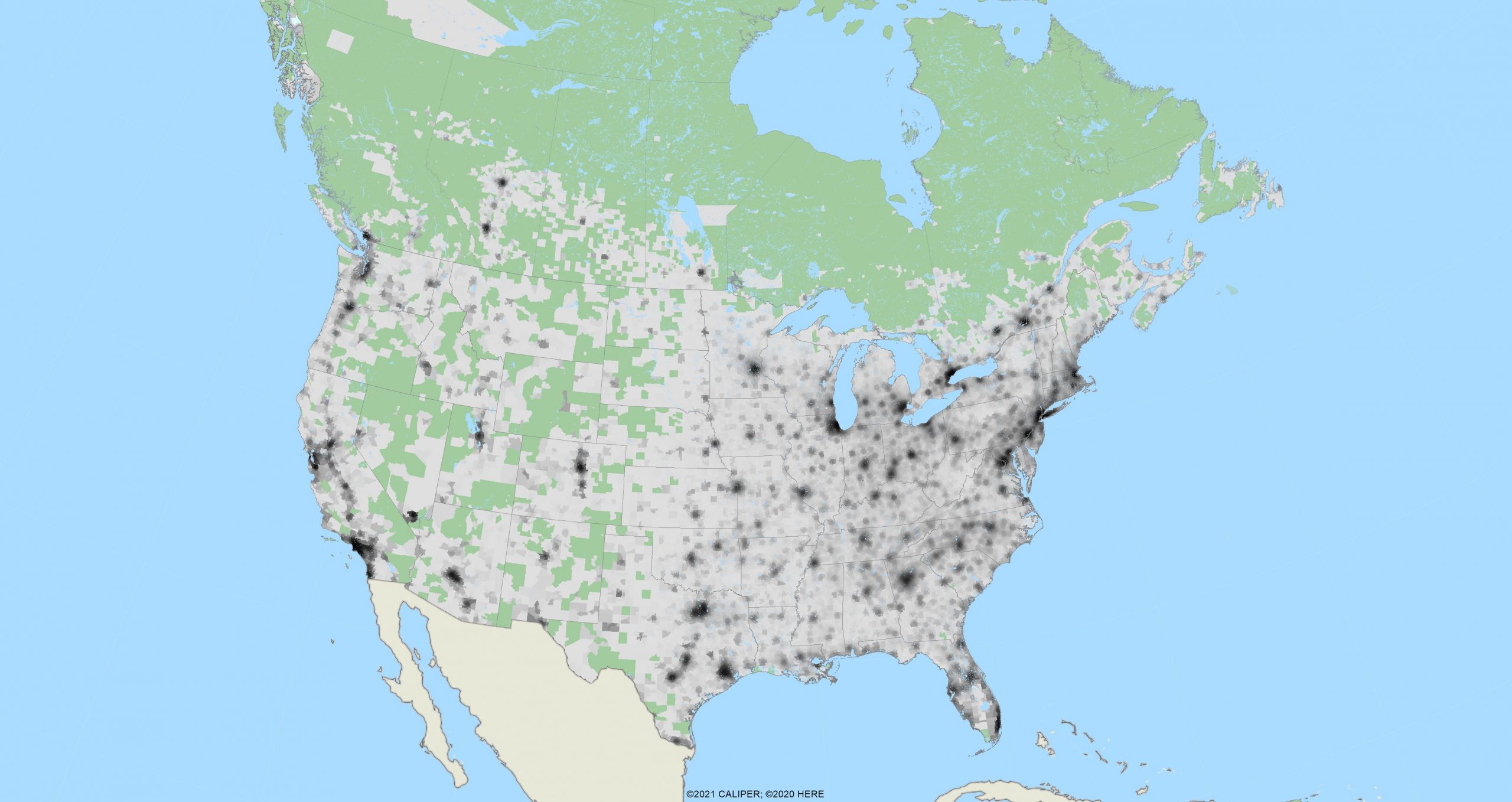
The population density of the northern border region is an interesting topic. According to a study by Applied Geographic Solutions, the population density of the region is relatively low, with an average of 15 people per square kilometer (39 people per square mile). This is due to the vast wilderness areas and the sparse population of the region. However, there are some areas that are more densely populated, such as the cities of Detroit and Buffalo, which have a population density of over 1,000 people per square kilometer (2,600 people per square mile).
Migration and Immigration
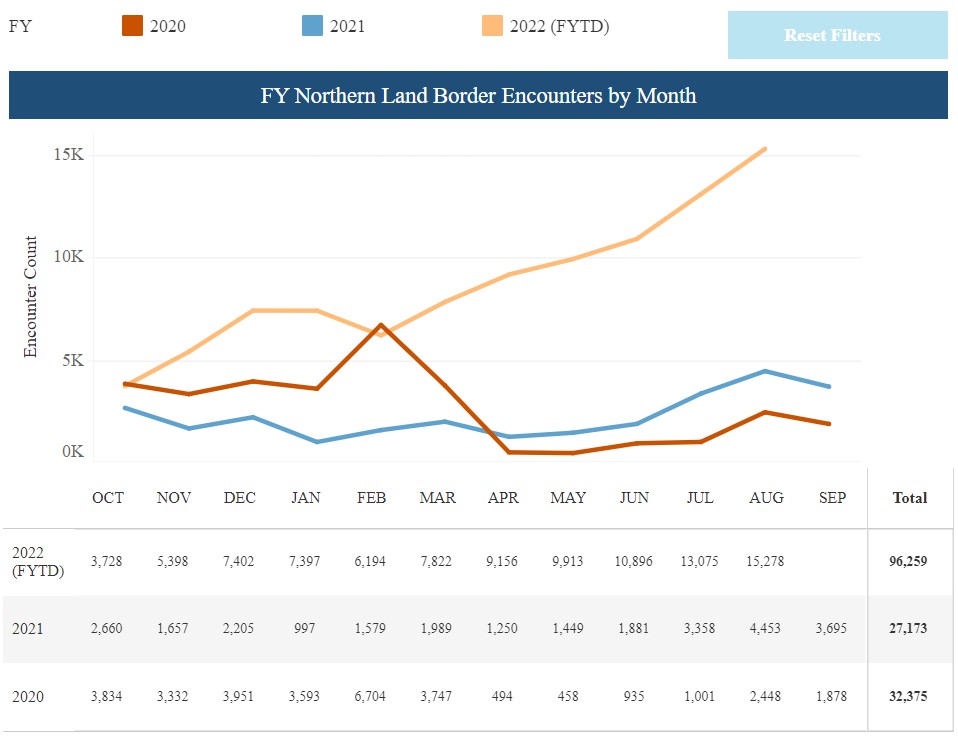
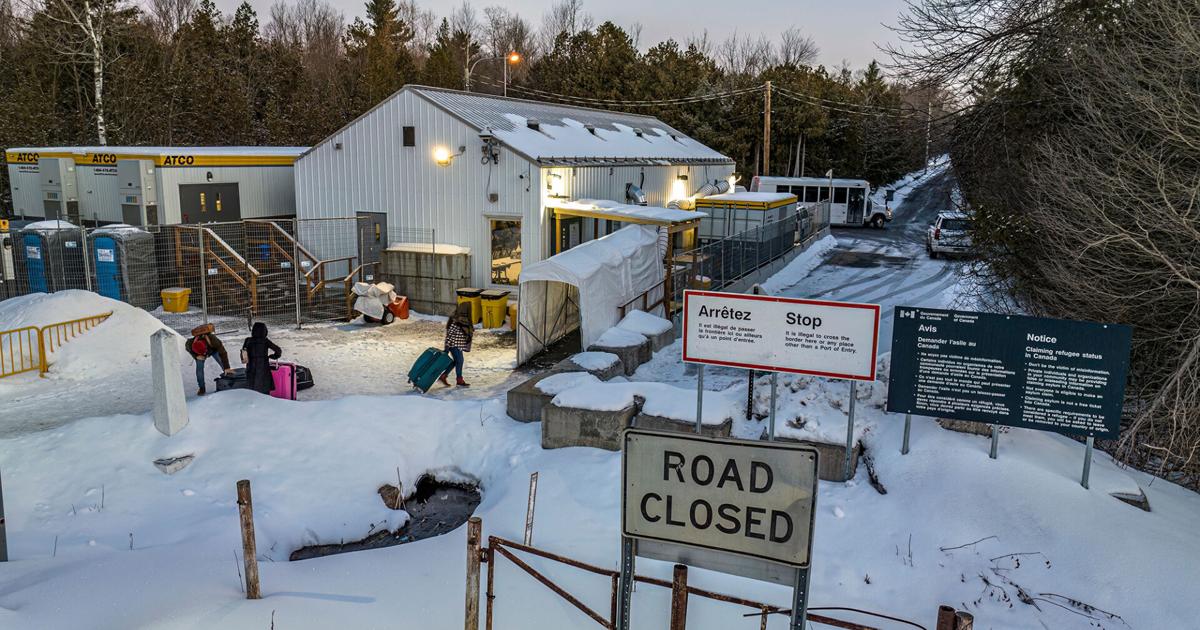
The northern border region is also a major hub for migration and immigration. According to a study by the New York Times, the region has seen a significant increase in migration and immigration in recent years. This is due to the region’s economic opportunities, cultural diversity, and the fact that it is a major hub for international trade and commerce. The region is also home to a number of international airports, making it a major hub for air travel.
Conclusion
The northern border region of the United States and Canada is a fascinating place, with a rich history of cultural and economic exchange. The region is home to a diverse population, with a range of cultures, languages, and customs. The region is also a major hub for migration and immigration, with a significant increase in recent years. The region’s unique appeal lies in its cultural diversity, economic opportunities, and the fact that it is a major hub for international trade and commerce.