Demographic Data Aggregators vs. Primary Research: Unpacking the Dichotomy
The world of market research is replete with buzzwords and jargon, but few concepts have garnered as much attention as the dichotomy between demographic data aggregators and primary research. As researchers and marketers, we are often faced with the daunting task of navigating this complex landscape, where the lines between these two approaches are increasingly blurred. In this article, we will delve into the heart of this dichotomy, exploring the fundamental differences between demographic data aggregators and primary research, and examining the implications for our understanding of the market.
What are Demographic Data Aggregators?
Demographic data aggregators are organizations that collect and analyze large datasets, often sourced from publicly available information, to create comprehensive profiles of target audiences. These profiles can be used to inform marketing strategies, identify trends, and make data-driven decisions. The primary advantage of demographic data aggregators lies in their ability to provide a broad, high-level view of the market, allowing researchers to identify patterns and trends that might otherwise go unnoticed.

However, this approach has its limitations. Demographic data aggregators often rely on secondary data, which may be incomplete, outdated, or inaccurate. Furthermore, these aggregators may not account for the nuances and complexities of individual markets, leading to a lack of precision and depth in their findings.
What is Primary Research?
Primary research, on the other hand, involves collecting original data through surveys, interviews, and other methods. This approach allows researchers to gather information directly from the source, providing a more intimate understanding of the market and its participants. Primary research is often more time-consuming and resource-intensive than demographic data aggregation, but it offers a level of precision and accuracy that is unmatched by secondary data.
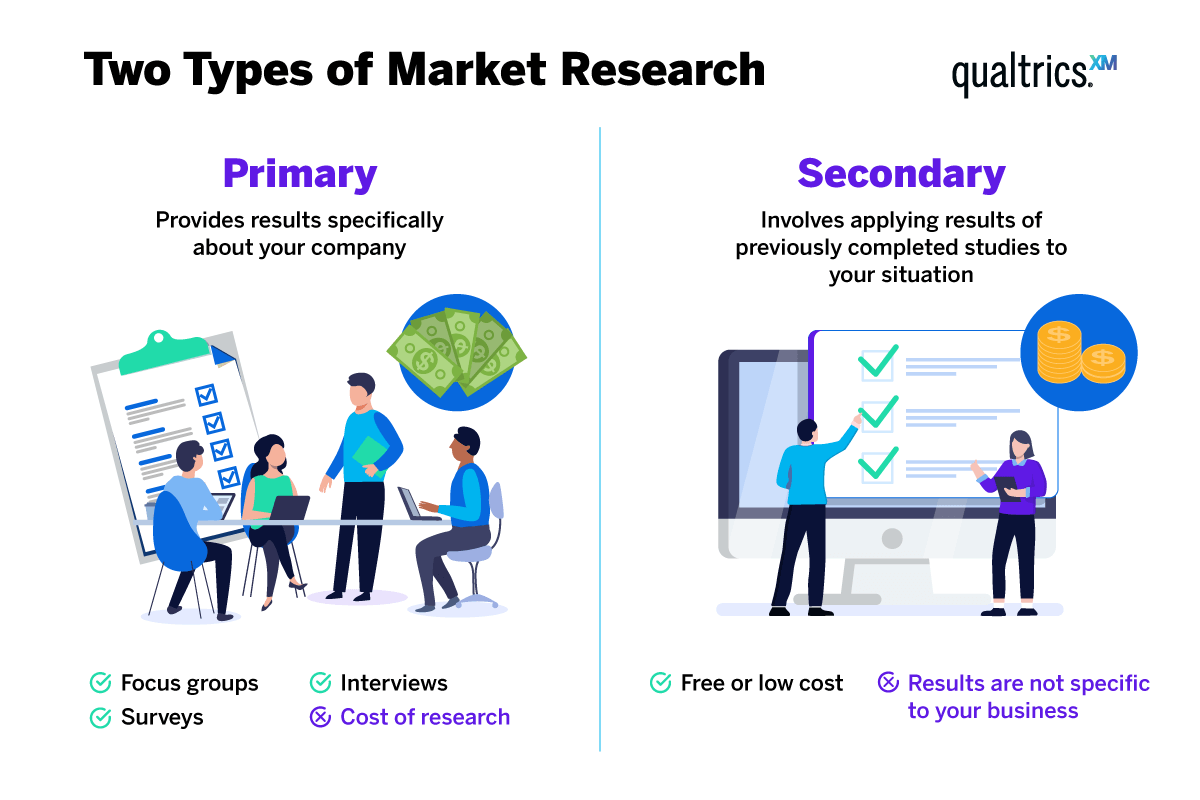
However, primary research also has its limitations. It can be costly and labor-intensive, and the results may not be generalizable to larger populations. Furthermore, primary research is often limited by the quality of the data collection methods and the expertise of the researchers involved.
The Dichotomy: A Matter of Perspective
So, what is the fundamental difference between demographic data aggregators and primary research? In many ways, it is a matter of perspective. Demographic data aggregators provide a broad, high-level view of the market, while primary research offers a more nuanced, detailed understanding of specific segments or populations. Both approaches have their strengths and weaknesses, and the choice between them ultimately depends on the research question, the resources available, and the level of precision required.

In conclusion, the dichotomy between demographic data aggregators and primary research is a complex and multifaceted one. While both approaches have their limitations, they also offer unique benefits and insights that can inform our understanding of the market. By recognizing the strengths and weaknesses of each approach, researchers and marketers can make more informed decisions and develop more effective strategies for success.