Demographic Data on Ride-Hailing Users vs. Drivers
Ride-hailing services have revolutionized the way people travel, offering convenience, flexibility, and affordability. However, a closer look at the demographic data reveals some fascinating insights into the users and drivers of these services.
Who are the Ride-Hailing Users?
According to a survey by Phocuswright, 71% of ride-hailing users are between the ages of 25 and 44, with 44% of them being women. The majority of users (63%) have a household income of $50,000 or more, and 55% have a bachelor’s degree or higher.
These demographics suggest that ride-hailing users are likely to be young professionals, families, or individuals with a higher socioeconomic status. This is not surprising, given the convenience and flexibility that ride-hailing services offer.
Who are the Ride-Hailing Drivers?
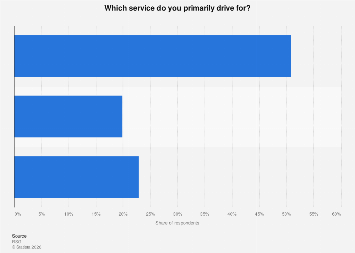
A survey by the University of California, Los Angeles (UCLA) found that 62% of ride-hailing drivers are male, and 55% are between the ages of 25 and 44. The majority of drivers (71%) have a high school diploma or equivalent, and 44% have a household income of $25,000 or less.
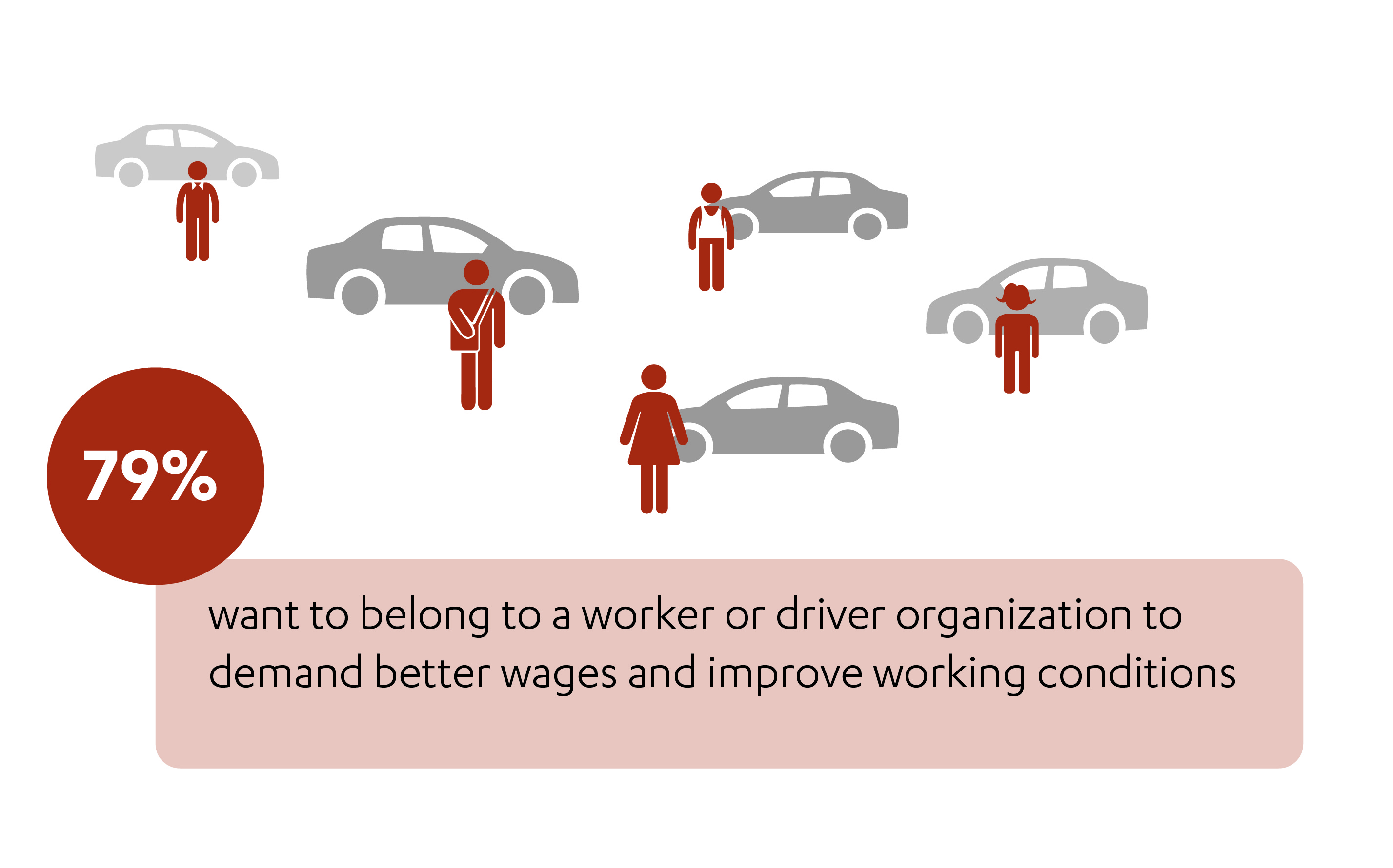
These demographics suggest that ride-hailing drivers are likely to be working-class individuals, often with limited education and income. This is not surprising, given the flexible and often part-time nature of ride-hailing work.
A Common Observation and Deeper Reasons for Fascination
One common observation is that ride-hailing users and drivers have different demographic profiles. Users tend to be younger, more educated, and have a higher socioeconomic status, while drivers tend to be older, less educated, and have a lower socioeconomic status. This observation has led to questions about the impact of ride-hailing on the labor market and the potential for exploitation of drivers.
However, there may be deeper reasons for fascination in these demographic differences. For example, the rise of ride-hailing has led to a shift in the way people think about work and leisure. With the convenience of ride-hailing, people are no longer tied to traditional public transportation or taxi services, and this has led to a blurring of the lines between work and personal life.
Furthermore, the demographic differences between users and drivers may be a reflection of the changing nature of work itself. With the rise of the gig economy, more people are working on a part-time or freelance basis, and this has led to a shift in the way we think about employment and income.